概括 Extract
2024-2026年期間,有幸到可以到訪德國幾次。雖然四次的旅程都是因為工作,但就是這樣有很多有趣的事情發生。沒有做太多tourist會做的事,只感受到最raw的德國和最raw的自己。八成時間在無明的小鎮,兩成的時間才是在大城市。慶幸這幾趟的旅程,讓我又有一個機會去用多角度去認識一個國家。Auf geht's
All four trips were work-related, so for most of the trips I stayed in small villages and towns, and I typically spent the weekends as a tourists in the bigger cities before heading home. Auf geht's
去第一次德國之前 Prior to my first visit
我幻想中的德國是:效率、先進、乾淨、地方大、歐陸vibe重、德國車、類似奧地利的國家
我幻想中的工作:會有壓力、要「執生」、每天要超早起床、會遇上有趣的同事
我幻想中的旅程:累(一定)、難忘、獨處時間、有郊野、有城市、想感受一下德國無限速的公路、從生活中學點德文
Germany in my imagination: efficient, topnotch, clean, big, it's in Europe, cars, similar to Austria
Work in my imagination: stressful, I need to remain flexible and adaptable, early start, interesting peeps
The trip in my imagination: Tiring, unforgettable, solitude, nature, cities, autobahns, German language


德國任務 Mission Germany
1st trip:Berlin > Calbe > Frankfurt > Leipzig > Berlin
2nd trip (road trip):Hamburg > Norderstedt > Hamburg > Greifswald > Berlin > Frankfurt an der Oder > Berlin > Dresden > Berlin > Bad Langensalza (Großengottern) > Berlin
3rd trip:Berlin > Potsdam > Frankfurt > Portugal
4th trip:Hamburg > Büsum > Lübeck > Denmark
我每次去德國,公司只會把每次要去的住宿地點給我,我要自行計劃所有事情和安排交通,再把自己和工作要用的一切帶去德國,十分刺激。
在星期六早上先由 Manchester 坐巴士到 London CBD,然後再轉車到 London 近郊的機場,飛往德國大城市的機場,再轉火車入郊區,之後再坐地區巴士或小火車(要自行按鐘,司機才會停站的那種火車)到小鎮。最後,在星期日晚上的時候,來自五湖四海的同事就會在大家入住的小鎮民宿大堂出現,一起傾談未來一周的分工。
其中一次的旅程比較特別,德國那邊有同事接待我,還租了車兩星期,也幫我安排所有行程,比起另外三次舒服得多。
一周的工作完結後,周末就是休息和觀光的時間。我多數會把握時間,去盡所有附近值得去的地方和探朋友。我亦會趁着自己已經身處歐洲大陸,可能在德國或其他附近的國家多留幾天,再返回英國。
In all these trips, I was only informed the address of the accommodation (in Germany) then I'd need to arrange everything else myself, flights and transport. I also had to carry work stuff with my onto the plane and keep them with me till I reach the destination.
I normally would need to travel from Manchester to London on a Saturday morning, then coach into a London airport, fly out, land in a major German city, then train into the country, finally catching a regional bus or train to the town/village. Finally, on Sunday evening, the team would gather in the hotel lobby for a brief meeting and orientation for the coming week.
After a week of hard work, the weekend was completely mine. I typically would explore the area as much as I could, and perhaps meet some people. I have also traveled to neighbouring Poland, Portugal and Denmark after the work week, since I was already flown into Europe.
事 Events
德國中學 German highschools
所有旅程中,我去了很多(真的很多)學校。
雖然我去的全部都是gynasium(學術性中學 (academic schools),學生畢業後是考入大學的abituar試),我以為gynasium的學生品格和成績較好,但學生一半是正常,一半是難搞... 有的英文流利到不得了、有的只會說yes no、有的很成熟很有禮貌很好學、有的極度頑皮、坐不定、不斷做six seven手勢、racist、不尊重老師、會大聲倒數下課的時間,鐘聲一響就當我透明一樣自行衝出教室(15-17歲,不是小孩)。另外,德國的學校很早就開始上課,平均第一堂是7:30am開始(有一間是6:30am),但1pm左右就完了。我不慣早睡早起,但幸好,我都survive了!
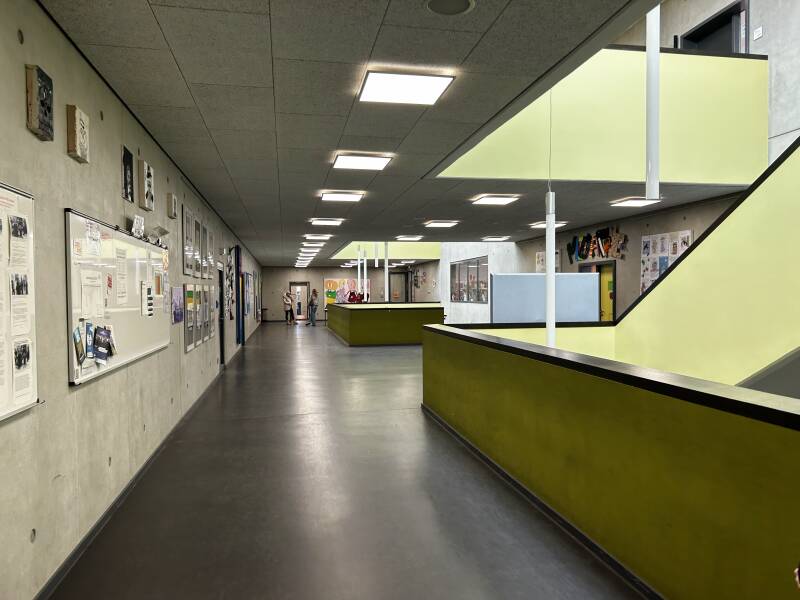
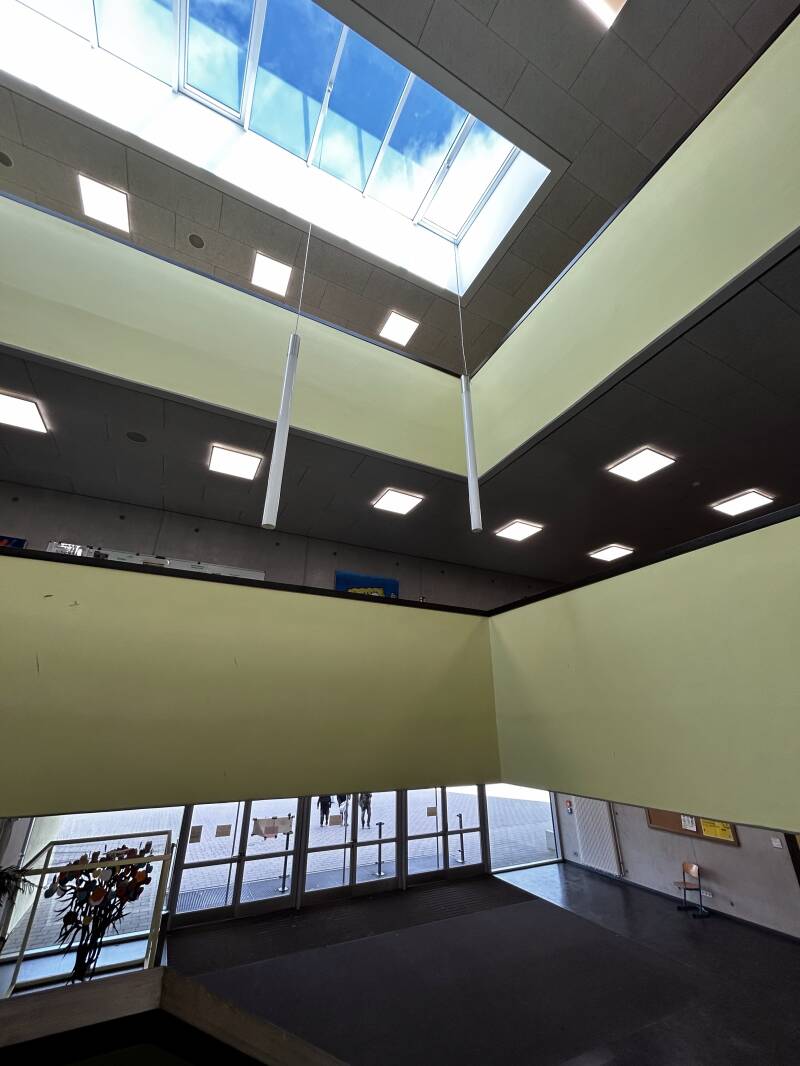
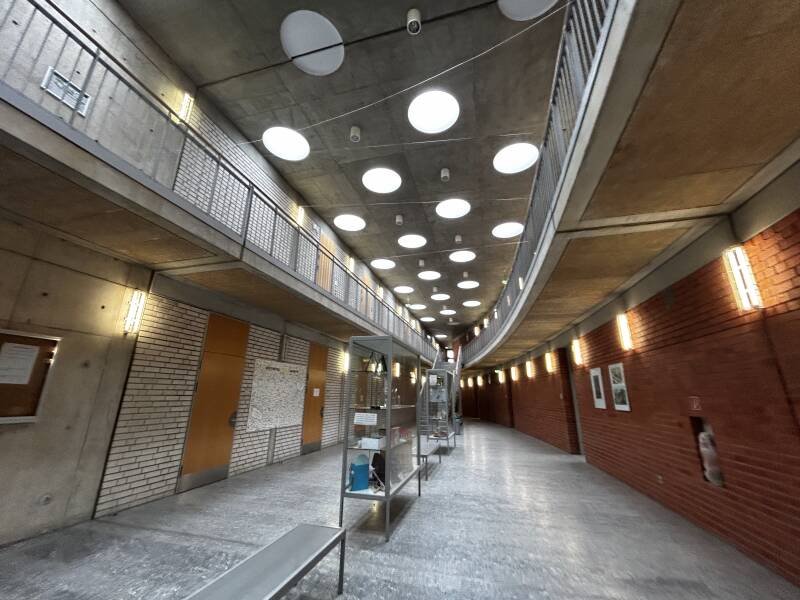
但事先聲明,我沒多做research,只是憑觀察和經驗而言。德國政府投放很多錢去「教育」。我去的所有學校都是公營的gynamsium,但普遍的學校很新很乾淨。Smart board,電梯,寬闊的大堂酒廊,新檯凳,和落地玻璃。和意大利的中學Liceo(通常是某完全看不出是學校的大廈的頂樓)比較,德國的校舍正規很多。和英國的high school和college比較,德國的設備簡直是天堂。冬天時,很多學校還會帶學生去滑雪(PE課的一部分)。以上全都是「錢」!另外,和其他歐盟成員國一樣,德國的gymnasium學校亦會教授外語。我去一間學校的時候,剛好有一班Erasmus的法國學生來exchange一星期,我看見剛剛下我課的學生在走廊用流利的法文和exchange students溝通。Exchange students 亦有用德文跟本地學生說話。看來,從「教授語言」的角度來看,德國比英國做得好,我身邊的英國朋有全部都有在high school讀過至少三年的外語,但沒有一個是成功的...
這是我整合去德國八個不同的省份的十三間學校的經歷,應該不會太片面...?
Combining all four trips, I've been to many (like many many) schools.
All schools I visited were "gynamsium" schools (adacemic schools that prepare students for the uni entrance exam - Abituar). I was expecting to have some well-behaved and intelligent kids... turned out half of them were and the other half a pain in the neck... Some spoke really fluent English while some only knew "yes" and "no". Some were mature and some were troublesome. Some I suspected having unreported SEN, six sevening non-stop, were lowkey racist and disrespectful to staff. They (15-17 years old, not "kids" kids anymore) would shout out loud to count down the end of a lesson, and sprint out of the room like the teacher was invisible but actually still teaching. Also, German schools start early, roughly at 7:30am. The most insane school had me talking to their kids at 6:30am. I'm not used to going to bed early, but I had no choice in these trips.
Now, a disclaimer here, I didn't do any research about this, everything I share next is solely based on the conclusions I had from my observation and experience. The German government has a huge budge on education. The gymnasiums I went to were all public schools, meaning parents pay nothing but have their kids enjoying school life. Smart boards, lifts, spacious corridors, new chairs, tables, and full-height windows. They look way more serious and proper than the Italian Liceos (high schools in Italy, some of them are just a collection of a few apartment blocks in a sketchy-looking building). When compared to the UK, German schools are like heaven to British students. In winter, a lot of German schools bring their kids to ski (as part of their PE lessons)! German schools also typically teach foreign languages quite well. During my visit in a school, we bumped into a group of Erasmus exchange students from France. I saw German kids spoke fluent French to them, and vice versa. I don't know but I feel like Germany schools do "languages" better than British schools. All British friends I have studied an European language for at least 3 years in high school, and none of them had succeeded.
And that, was a conclusion I made from visiting 13 different schools (across 8 German states), hopefully I didn't sound too biased...?

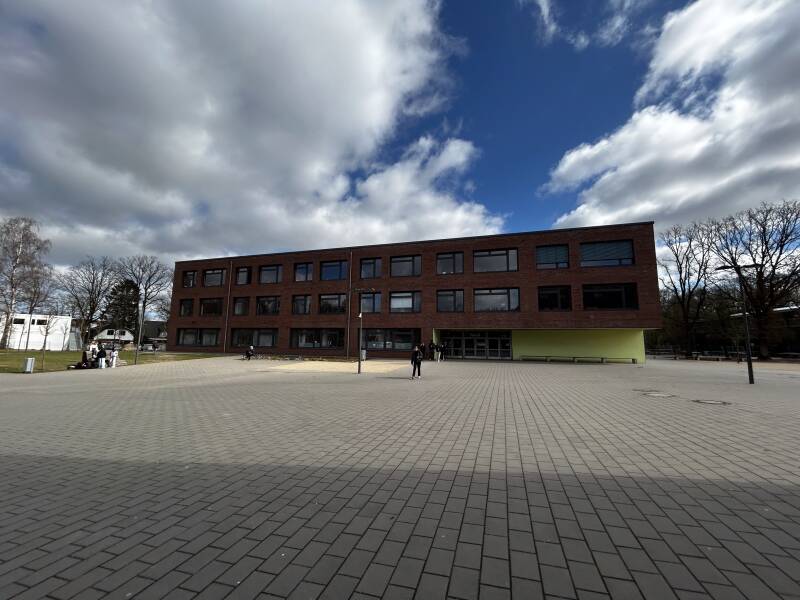


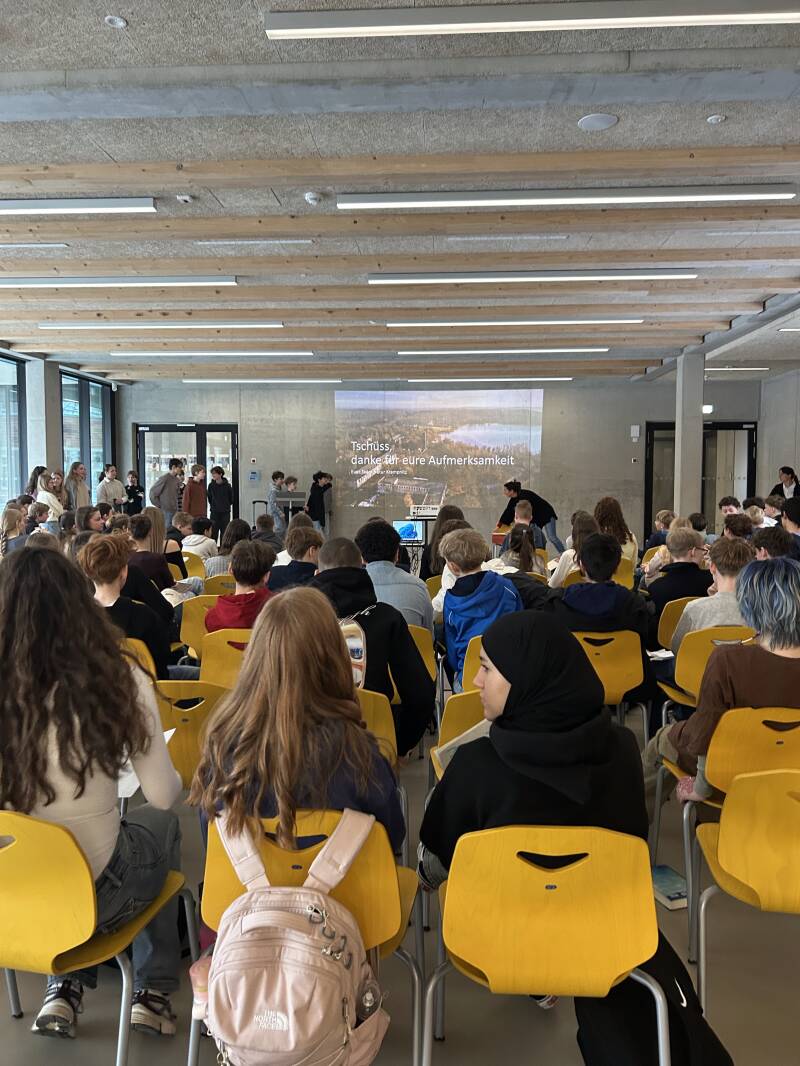


德國職場趣事 Work culture in Germany
最精彩的其實不是學生,而是同事之間的互動。
在英國,每天上班small talk是不會少的。剛到達office,或是lunch time和準備離開時,看見熟悉或不熟悉的同事,因為英式的文化和禮貌,大家都會small talk一點點;說說天氣、抱怨一下工作、和分享周末的活動等。而且,日常溝通和email溝通上,大家都會用婉轉的方式表達,或是表示欣賞或拒絕。
第一次去德國時,作為guest的我,我心裡expect本地學校會有少少的歡迎儀式,或是當地學校員工都會「假假地」作出想認識我們的姿態...? 可是,全部都沒有。握手(大部分人的grip很大力、很緊),沒有問我叫什麼名字,然後直接談公事,開始工作!我猜這是個最地道的德式歡迎吧... 我真的有點無言,不論是會或不會說英文,坐我兩旁的本地老師完全不會嘗試跟我說話,眼神交流是minimal。有的學校,更是前一晚短訊我們,叫我們明天自己按大閘密碼,去某大廈,某樓層的房間,時間到就自行開始工作,時間夠就自行離開,不用見面。如果這是英國,那公司肯定是可以準備「執笠」,沒有員工或是學生喜歡這樣的工作環境和待遇...
In my first visit in Germany, as a guest, I was expecting some form of welcoming from the hosting schools. Unfortunately, there were none... They shook my hand (very tight grips, generally), then went straight into talking about work stuff without even asking for my name. I guess that was the "welcome to Germany" moment of mine. They spared a seat/desk for me in the staff room, and the two local staff who sat next to me (left and right) wouldn't talk to me. Don't even think about eye contacts or water cooler talks... There was an occasion where one of the schools texted us in advance, asking us to get into their building by ourselves. They gave us the gate's passcode, building and room number, and told us to begin what we needed to do ourselves, and leave the school whenever the job is done. I've never felt this trusted before... If that was in the UK, the school or business is defs shutting, no one enjoys working under or being hosted with such coolness.
Honestly, the most interesting thing wasn't about the students, it was the interactions between teachers/colleagues.
You know etiquettes like small talks are essentials in any British office. Basically, from the moment you reach the office till the moment you leave you're always switched on, and ready for small talks. Whether acquaintances or closer colleagues, small talks are expected because it's part of the culture. You want start off with talking about how the weather is affecting you today, then move on to exchanging rants about work, give signals you want to close the convo by sharing your weekend plans. Oh right, another etiquette is "being indirect". When sharing your honest thoughts verbally or requesting, complaining or asking things, you want to be as vague as you can, best to beat around the bush then finally addressing your main message through connotations <----- very British haha!
另一個趣事就是有關德國的職場階級文化。
在德國,職場的階級文化比英國明確。假設Kai Havertz是上司時,和他同級的或是老闆則直接叫他Kai,而比他junior的員工會叫他 Herr (Mr) Havertz。Herr (Mr) 和 Frau (Ms) 也適用於合作夥伴。但是在英國,無論職位的高與低,合作夥伴或是自己員工,大家都直接叫大家的first name - Kai,這樣就行了。
Another subtle memory was about the German work hierarchy.
In Germany, hierarchy within a company is apparently. Let's say someone called Kai Havertz is a manager, his boss and managers from other teams would call him "Kai". Then, anyone under or more junior than him would call him Herr (Mr) Havertz. Herr (Mr) and Frau (Ms) are commonly used when referring to work partners. But in the UK, regardless of where you position in the company, and whether customers or employees, we all just go by our first names - "Kai"
我去過在Berlin附近的一間學校。第一天,該校校長熱情歡迎我們(少見的),向其他教學員工介紹我們,她自稱「Luise Kauffelt」。第二天,學校有突發的事發生,我幫了個忙,她十分感激我。第三天,我和三個本地老師們一起吃飯,他們問我:「你有察覺你一直叫校長為Luise嗎?」我回應我其實不確定怎樣稱呼她,亦沒察覺自己如何稱呼校長,但她昨天跟我處理那事情的過程時,當刻的context和她之後發的電郵下款好像容許我叫她Luise。三位老師都很愕然,因為學校內沒有人叫她Luise,而且我是全場最年輕的。他們說:「看來,Frau Kauffelt已經把你看為自己人,你很幸運。這現象是德國文化其中一個表現的方式。」我腦海白了一下,因為我不敢相信我真真實實地經歷了一個很raw的文化體驗,竟然無意中解鎖了這個「前無古人」可以直呼校長其名的待遇,超正!事後,Luise亦表示欣賞我的付出,還說笑的說有天要來德國找工作的話,她會考慮聘請和照顧我呢!
Interesting experience at a school near Berlin - On the first day, rarely we received a very warm welcome from the school director, she asked for our names then introduced us to all her staff. She goes by "Luise Kauffelt". On the next day, I helped out with an emergency that happened in the school, and she was so thankful to me. On the third day, me and three local teachers were chatting over lunch, they randomly asked "are you aware how you're calling our director Luise?" Certainly, I'm aware of that, innit Luise her name? Also, I don't remember she had other names so I just called her Luise (from the beginning)."Looks like Frau Kauffelt sees you a member of her close-knit team, you're very lucky". I was quite shocked because I couldn't quite process why and what they just said, but in hindsight, I've just experienced a very raw German culture - I probably gained the school director's trust from doing her the favour, then as we're sorting the chaos out, the context permitted me to call her Luise plus the closing register in her email to me after the chaos was "Luise". Damn! I might just have unlocked a legendary tier title - right to call a German school director with their first name!
空閒時間 Free time
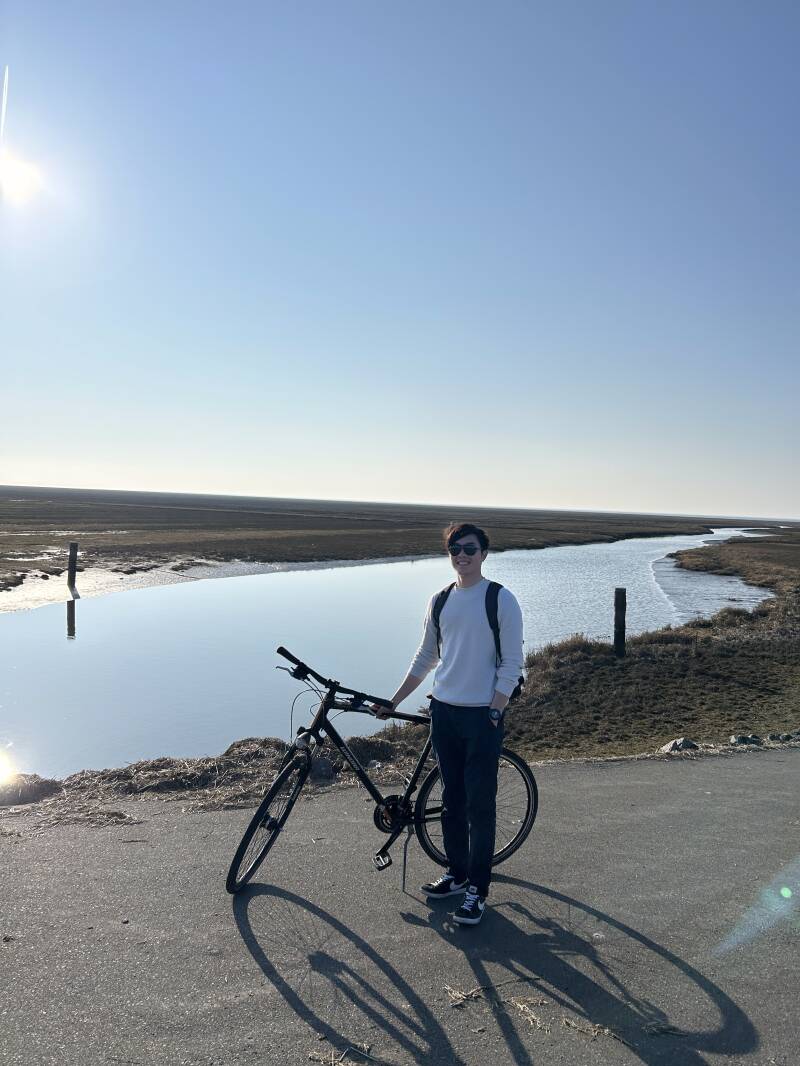
我們每天1pm左右就完成工作,還有大半天時間去自由活動。可是,在山旮旯的我們,有什麼可以做呢?去村內唯一的酒吧kill time、回房間睡覺和準備明天、周圍走走... 最次,有同事「突破盲點」,說:「為什麼我們不租單車呢?」於是,我們衝去租單車,沿著海岸線一直踩,經過大風車,經過水壩,經過農場附近的路要左閃右避路上的農作物(tractor太滿而掉下)。大家一邊踩著單車,一邊談談在家鄉成長的故事,人生觀,愛情,有關其他同事的事非(哈哈),英國奇怪的東西,和在不同國家生活的趣事。看著自己在田上踩單車的影子,背後是一望無際的藍天和粟米田,中間還轉動中的風車,我有一刻覺得自己好像在發夢,彷彿自己和英國的現實有段距離... 這樣簡簡單單的親親大自然,已令我很滿足。
We normally finish work at one-ish, meaning the rest of the day is purely free time. There isn't much to do because it's usually in the middle of nowhere. Typically, I either kill time in the only bar of the town with my colleagues, go for a walk, nap, prepare for tomorrow or just read some books like that... This time round, a colleague suggested renting bikes to roam around the area...! What a terrific idea that was! Why didn't I think about it in the previous trips? So we cycled along the cycle path along the shore. Looking down at my shadow gliding across the path as I cycled through the fields, I couldn't help but smile. Behind me was an endless blue sky, rows of cornfields stretching into the distance, and wind turbines slowly spinning on the horizon. For a brief moment, everything felt a bit unreal as if I had somehow left reality behind. It was such a simple moment, but it filled me with so much happiness. As we rode, we chatted about everything. What it was like growing up in Belgium, Los Angeles, and Hong Kong, how our experiences shaped the way we see life and romance, a bit of work gossip (because who doesn't love a little harmless tea haha), the weird and wonderful things about living in England, and the funny little stories that come with living internationally.
Sometimes, the best conversations happen when there's nowhere to be except the road ahead.
突然,有人說「我不行了」,我們才回頭... 回程時,望左,經過學校,有村民認得我們,向我們打招呼。望右,是北海(North Sea)在上演2026最美的日落。望前,是繼續開往丹麥的公路。望後,是追我追得很辛苦的兩位同事...
"That's it. I can't anymore" the American and Belgium blurted out. So we finally decided it was time to head back. The return journey was just as memorable. On the left, we cycled past a school where some locals recognised us and gave us a friendly wave. On the right, the North Sea was exhibiting with the most incredible sunset I've seen all year. Straight ahead was the road that leads all the way to Denmark. And behind me, were the ladies desperately trying to keep up...


政「字」正確 Who's right who's not
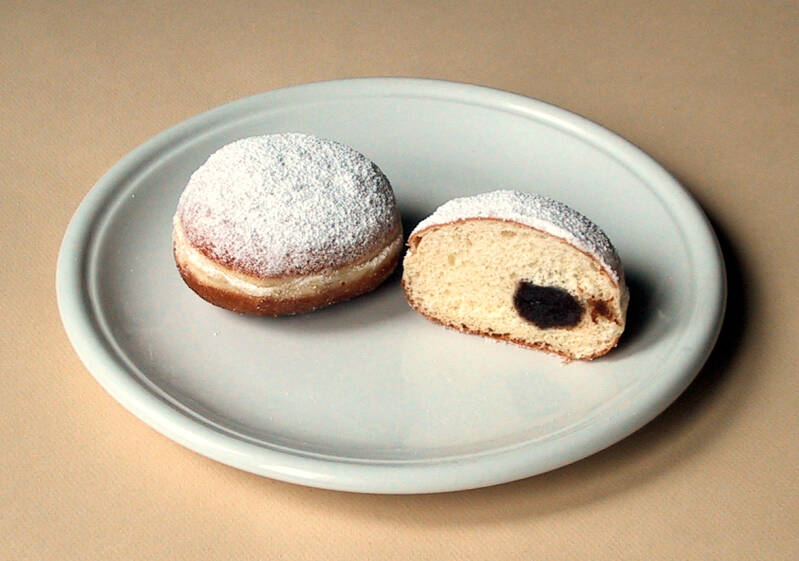
我有個癖好,就是找機會去跟不同國家和文化背景的人講一些他們「聽得明」的東西。所以,我在去德國前,已找了我好朋友(半個德國人)預習。他告訴我,要令德國人興奮、投入討論、或有awkward silence時,不是說世界盃、啤酒、車、或是什麼的歷史,而是 ----- 問他們這食物叫什麼。在西北地帶,大多數人會說Berliner
在東邊/柏林附近,有部份人會叫它Pfannkuchen,部分人叫它Berliner
西邊和東南邊的Bavaria,我暫未去過,所以未能證實...
在我這四個trip中,我問了很多人這個問題(當中青年人較多)。我的經驗告訴我,這是個不論德國東南西北、男女老幼、熱情冷漠、都會somehow帶微笑(或大笑)回應你的。我更試過在一百人面前做presentation,然後用這為破冰活動,掀起了一個長達五分鐘的激烈討論!你要去德國的話,不妨試試用這打開話題!
You know one of the biggest quirks I've is to talk about topics that the locals "actually understand" or can instantly understand. Therefore prior to this trip, I've already went to my mate (half-German) for some pre-trip tutorials. He said if I want to make a German person excited and engaged in a convo or not sure what to say in an awkward silence, don't try to ask about the world cup, beer, cars or history BUT the name of this food.
In the northwest of Germany, they say that's a "Berliner".
In the eastern provinces (including Berlin), some people say that's a Pfannkuchen, and some say that's a "Berliner".
Regarding the west and the Bavaria state, I still haven't had the chance to visit, so I can't prove how it's been called
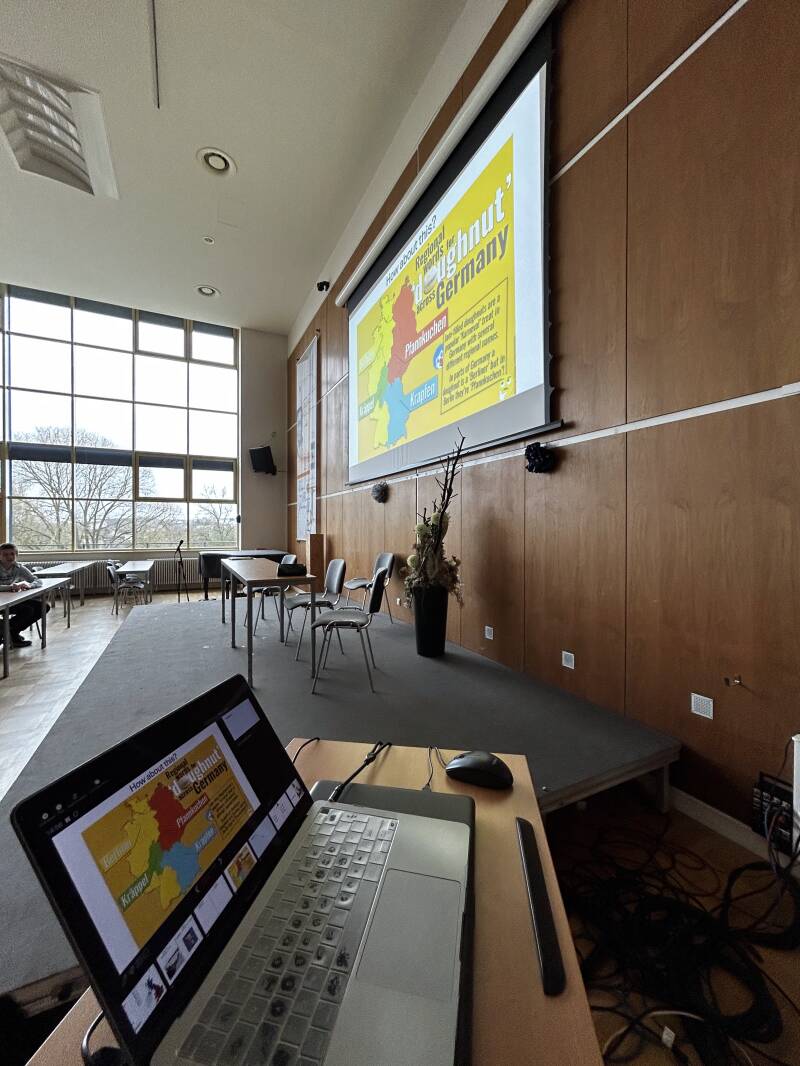
In these 4 four trips, I asked a lot of people (mostly teenagers) how they'd call this pastry. To my experience, whether where in Germany, female or male, old or young, extrovert or introvert, they'd somehow respond to me with a smile (or big laughters). In presentation session (100+ people), I decided to spice up the session a bit so I pulled this map out... without saying a word, I waged a full-blown debate and continuous laughter for 5 straight minutes! The students and staff were from different parts of Germany (and Poland), it was a 50-30-20 split between Pfannkuchen, Berliner and Krapfen!
If you ever happen to visit Germany, try asking locals about this!

說「德」太直接 German directness
德國人「很直接」,我一向知道是個sterotype。Small talk是零,講求快速達到結果和總結,我也大概感受到。以下兩個畫面,是我第一次被「German directness」打敗... 有一次,我去了Berlin近郊的一間學校。我要做個presentation,所以把電腦、USB、水壺、筆紙到帶到台前。學校主任看見我沒地方放,就問需要一張小枱嗎?我(望著她)說:「If you don't mind」她就轉身離開了... 她在做什麼?我心想... 於是我有禮地叫著他,說我需要一張枱,她走過來說:「Do you need a desk?」我說:「Yes please」她微笑回應;「This is Germany, if you want something then say yes, if you don't want it, say no」我簡直不敢相信她如此對我說話,因為我理論上不是她的下屬,這樣的回應有點不professional,而且我已經表示了我需要小枱(兩次!),她又是英文科主任,英文是很好的,聽得明我說什麼。但事後我再想,那其實就是一個文化衝突,不是我錯還是她錯。已被英國薰陶的我表示需求得太婉轉,而十分直率來自德國的她又表達得太直接。雖然我們在說同一個語言,但我們說的「語言」其實不同而已。
Germans are direct. Certainly I know this stereotype, perhaps a fact. With zero small talks, Germans are renowned for hitting conclusions and results efficiently. I thought I was prepared. I wasn't. These two encounters were the moments German directness absolutely defeated me.
One day, I was giving a presentation at a school on the outskirts of Berlin. I had my laptop, USB , water bottle, notebook with me at the front of the room but there was nowhere to put everything. A local teacher asked if I needed a desk to put my stuff on.
I looked at her and replied, "If you don't mind."
She turned around and walked away.
I was completely confused. Where is she going? I wondered. After a few seconds, I politely called after her and explained that I did need a small table. She walked back, looked at me, and asked again, "Do you need a desk?" "Yes, please," I replied. She smiled and said, "This is Germany. If you want something, say yes. If you don't want it, say no." I was stunned. My initial reaction was that it sounded a bit unprofessional because I was a guest and wasn't her employee, and I'd already let her know twice that I needed a desk. Besides, she was the Head of English department, so it wasn't as if she hadn't understood what I said in English.
But the more I thought about it afterwards, the more I realised it wasn't rudeness at all. It was simply a clash of cultures. Having lived in the UK, I'd become used to expressing requests as politely and as indirectly as possible. To me, "If you don't mind" clearly meant "yes". To her, it wasn't a clear answer. She had asked a yes-or-no question and expected a yes-or-no answer. Neither of us was wrong. We were just speaking two different "languages" in the same language.
另外,在road trip那次的旅程,負責開車的本地同事亦給我一個culture shock。有天,我們在開車,剛好在講寵物。她說她的小狗幾個月前過身了,然後我用挺sympathetic的語氣說了:「Oh no... I'm sorry to hear that」然後我沒再說什麼。幾秒的awkward silence最後望著我說:「Why didn't you do something to comfort me? Can't you see I'm really sad? If my boyfriend is this silent I'd be so mad」我不知要說什麼,因為,首先當她分享此事時他的語氣沒有帶一絲傷感,而且我又不是她男友,我又兩天前才認識她,不知她的communication traits 和 emotional language是如何,加上我不是個很懂得「呵」人的人...重點是,她直接把她心裡所想的表達出來,縱使我是個剛剛認識的同事,她的German directness使她內外如一。
以上故事沒有被誇大,亦不是刻意編排出來的。但當我回想起當時的背景,以及整個場景的來龍去脈,就會發現,這其實真的反映了一種文化差異。
Another culture shock came during our road trip. My German colleague was driving, and somehow the conversation drifted to "pets". She casually mentioned that her dog had passed away a few months earlier. I remember I said something along the lines of "Oh no... I'm so sorry to hear that," I replied sympathetically. Then I said nothing else. A few seconds of awkward silence followed.
She looked at me and said, "Why didn't you comfort me? Can't you see I'm really sad? If my boyfriend stayed this quiet, I'd be so mad."
I froze.
What was I supposed to say? For one thing, she hadn't sounded upset when she first brought it up. She mentioned it in such a matter-of-fact tone that I assumed she was simply sharing a story. Secondly, we'd only met two days earlier. I barely knew her communication style or how she expressed her emotions. And, to be honest, I'm not naturally the type of person who's good at comforting others with words. Looking back, though, what struck me wasn't the conversation itself but it was how directly she expressed what she was thinking. Most people I know would probably think, "I wish he'd comforted me a bit more," but they'd keep it to themselves. She simply said it out loud. That was another moment when I came face to face with German directness. Even with someone she'd only just met, there was no guessing game, no expecting me to read between the lines. She told me exactly how she felt and exactly what she expected. It was a little shocking at the time but refreshing in a way.
Swear down the above stories weren't exaggerated or staged, but flashing back to the contexts and full picture of the scenes, it was truly a cultural thingy


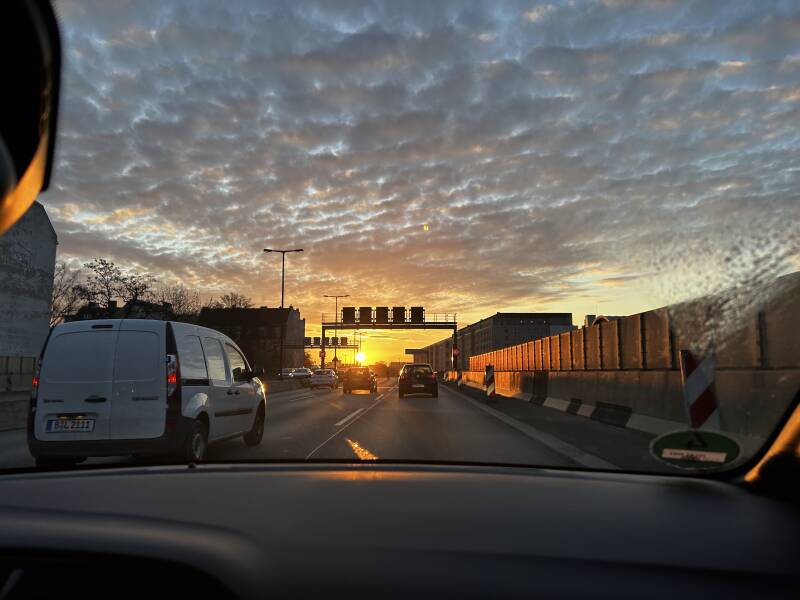
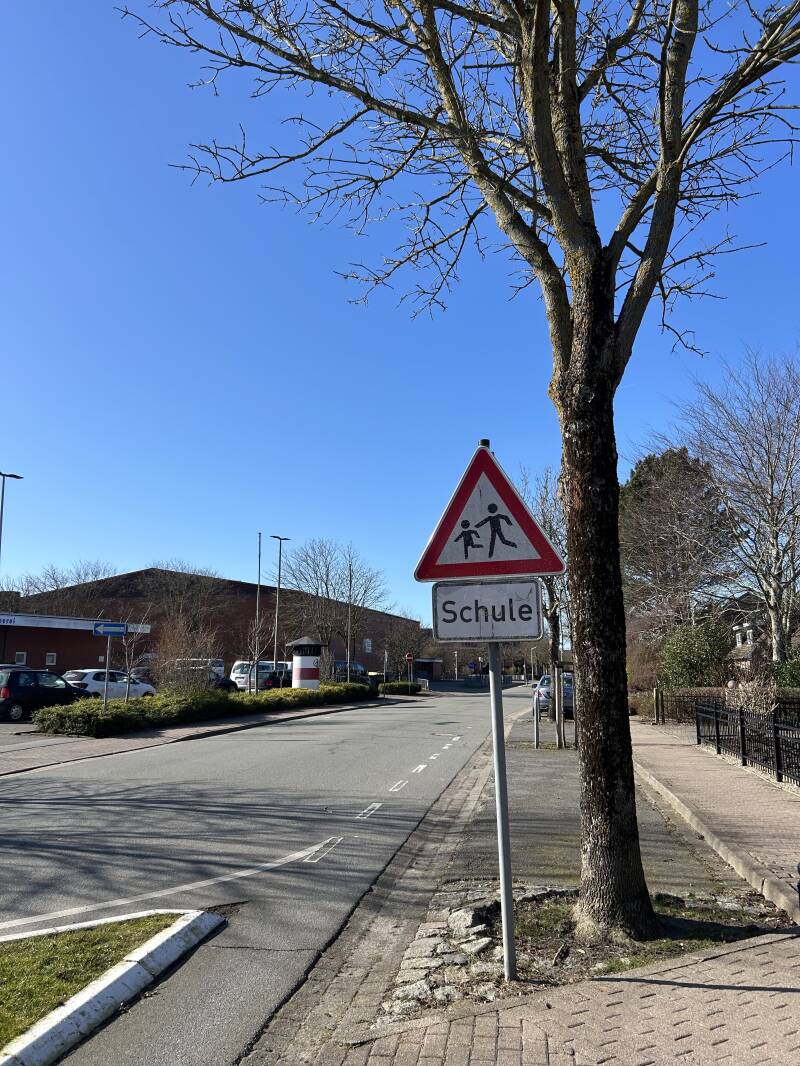
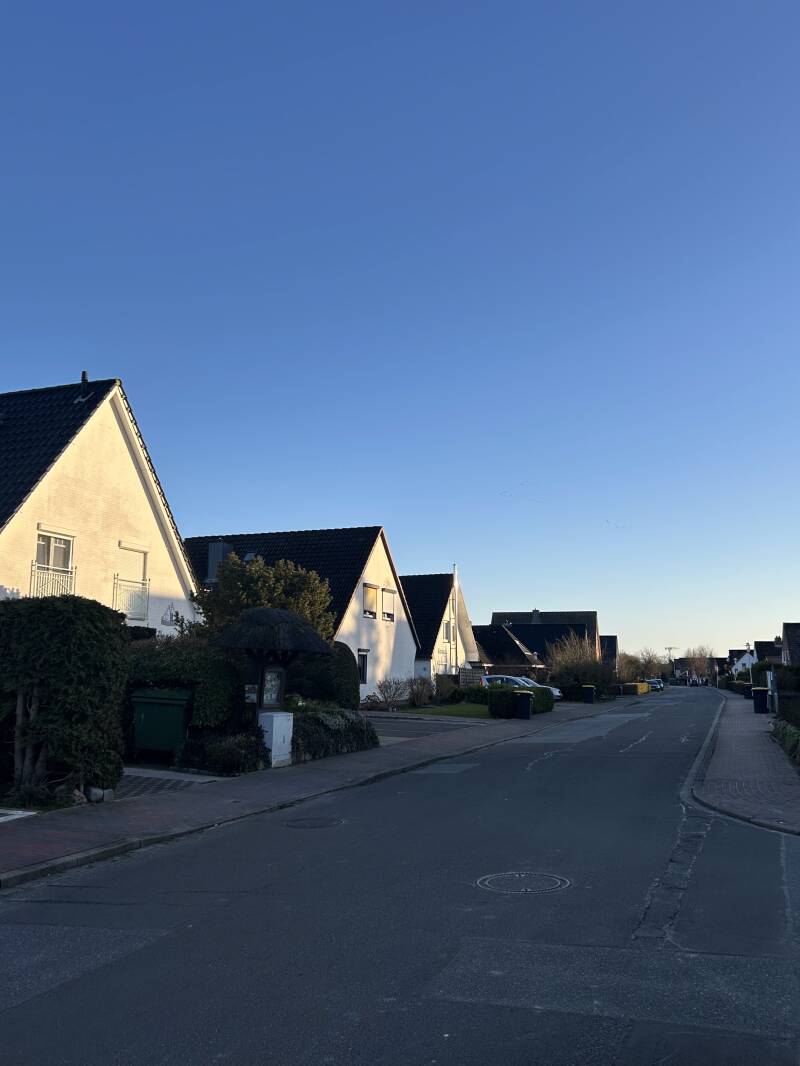

德文 The German language
對於以中文或是英文為母語的人,德文是個很難學的語言。因為他的case, conjugation, noun的gender和獨特的consonants,讓學德文的人很多煩惱。這亦意味著,德文為母語的人要學中文或是英文亦很難。
雖然德文和英文都是Germanic,但它獨有的case, conjugation, noun的gender和獨特的consonants發音,令讓學德文的人很多煩惱。這亦意味著,德文為母語的人要學英文亦很難。
很多德國人(和其他德文母語者)跟我說英文時,會犯以下錯誤:
1. Have you water? Have you girlfriend? Like you Germany? Eat you breakfast?
因為在德文,要將一個statement變為question,其實很簡單,就是把verb放在main verb之前就可以了。但是英文卻保留原本statement,反而加一個auxiliary "Do/does/did" 在句頭
2. Wictor von ze wery vierd race
在德文,w是發音/v/,v是發音/f/,而且沒有th這個consonant組合,所以以上句子他們經常讀錯。其實是"Victor won the very weird race"
https://www.youtube.com/watch?v=zkalf0odHs8
以上笑片展示了德文母語者發錯th音的情況
3. 德文和英文有一大堆false friends(看似串法相似或相同,但意思是不同),而較出名的是:
(德文)=(實際意思)
Gift = Poison 毒藥
Chef = Boss 老闆
Gymnasium = Academic school 中學
Aktuell = real, true, current 目前
Sensibel = reasonable 合情理
German apparently is a difficult language to learn. The cases, verb conjugations, noun genders, and some of its unique consonant sounds can give learners headaches.
Although German and English are both Germanic languages, German has its own set of grammatical quirks like cases, conjugations, grammatical gender as well as some consonant sounds that don't really exist in English. So it's perhaps not surprising that German speakers can run into some funny problems when speaking English.
I've gathered here some of the most common errors German speakers make when speaking in English noticed myself:
1. Have you water? Have you girlfriend? Like you Germany? Eat you breakfast?
In German, turning a statement into a question is actually pretty straightforward: you simply move the main verb of the clause/sentence to the beginning of the clause/sentence.
English, however, often keeps the main verb where it is and brings in an auxiliary verb such as "do", "does" or "did" at the beginning. So for a German speaker, sentences like "Do you have water?" can feel unnecessarily complicated.
2. Wictor von ze wery vierd race
German pronunciation can cause another whole set of problems.
In German, w is pronounced roughly like the English v, while v is often pronounced like an f. German also doesn't have the English "th" sound.
So when German speakers try to say:
"Victor won the very weird race,"
it can sometimes come out sounding more like:
"Wictor von ze wery vierd race."
There's actually a hilarious ad that is around this punchline of German speakers' mispronunciation in English - https://www.youtube.com/watch?v=zkalf0odHs8
3. False friends everywhere
German and English also have a surprisingly large number of "false friends", which are words that look or sound similar in the two languages but have completely different meanings.
Some of the most famous ones include:
(German) = (Meaning in English)
Gift = Poison
Chef = Boss
Gymnasium =Academic school
Aktuell = real, true, current
Sensibel = reasonable
人
在德國體驗英式文化 Encountering British culture in Germany
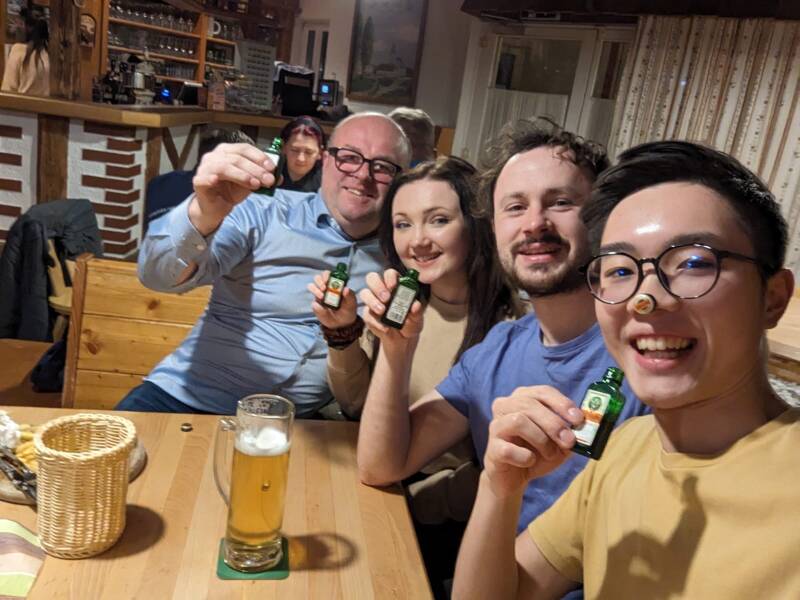
在旅程上,我亦和很多同事工作過交談過。搞笑的是,他們全都是英國人。所以,早上7am-1pm工作時就是德國文化的體驗,而2pm-10pm下班時就是英式的文化體驗。因為我們在大部分時間在小鎮的緣故,下班後就是沒事做。不是周圍亂走,就是在鎮內唯一的酒吧過。選擇留在酒吧的日子,會有一個同事負責為所有人叫酒,他會付錢。我初頭不好意思地說我不喝,因為我不想別人請我喝。但是其他同事就因奇怪的眼光望著我,又用婉轉的方式說服我「讓他付錢就好了」。六十分鐘的small talk後,突然有另一位同事站起來,說「who's up for seconds?」全部人都舉手,我只好跟著舉...他出去付錢。我開始覺得情況不妙,不是因為我酒量差,而是我已經知道,幾個六十分鐘之後就會輪到我,但我不想無故請全台人飲酒,那很貴。所以,我離開了。但之後,我明白到,這很可能是一個英式的unwritten rule,我下次再參加時只好走到bar前說:「Acht Bier, bitte」。我瞬間沒了€50。因為很多英國人「不吃東西」,只會「喝」,所以如果再待多一點,可能又會輪到我...
Through the journeys I've met colleagues of all sorts. But the only variable is, they're all British. That means from 7am-1pm German cultural exposure, and 2pm-10pm British culture exposure. You know in those rural areas we stayed in, there isn't much to do. The only afterwork options are walk around the village, or stay in the only pub in the area. The first time I stayed in the pub with them something weird happened. When we entered the pub, one of them would take up the waiter role, ask then pay for what we want to drink. I didn't want him to treat me for no reason so said I'm happy just to sit there but the rest showed gestures to signal me say yes. So I said yes... Now, little did I know holding my pint to small talk for 60 mins was just the initial stage of the social... "Who's up for seconds?" another colleague suddenly stood up and announced. Everybody put their hands up, and without a choice, I put mine up too. He went out to pay. I detected an incoming tragedy - it'll be my turn soon after a few 60 mins. There were 8 of us and them seven could go bottomless on alcohol... So I found an excuse and left.
In hindsight, I realised this was probably one of those unwritten British rules. So next day, when it came to my turn, I just walked straight up to the bar and say, "Acht Bier, bitte."
Just like that, I was €60 poorer.
In my POV, the problem is, a lot of Brits don't really eat at pubs, they just drink. So if we'd stayed any longer, chances are another round of drinks would be of me AGAIN... help



千萬種生活方式 10000 ways to live
旅行最棒的地方不止有風景和美食,還有旅途上遇見的人。
在四次的德國旅程上,我遇上過幾個有趣的同事。有來自Middlesborough的型男,我第一次聽到如此性感的Geordie口音,他因為怕悶,他把Ukulele和switch都帶來德國,黃昏沒事做會在房間內自彈自唱,又邀請我和他打遊戲機。
有個來自Brighton附近的叔叔,他年輕時去過希臘、奧地利和西班牙工作居住,在小鎮內的希臘餐廳用他流利的希臘語幫我們點餐。
有個來自Bristol的男生,什麼都跟我分享,傾談中他沒有「儲錢」這個概念,他經常旅遊,是沒有budget地去的,他著重的是美滿的回憶。
有個來自Nottingham的女生,跟我吃飯時覺得我口音很熟悉,原來她在香港exchange過一年,認得出我的港式口音,又去過日本和韓國工作居住,已經去過日本所有的縣。
有個來自Doncaster的女士,年輕在葡萄牙、西班牙、德國和意大利工作居住,我問他哪個語言他最差,她說「英文」,注意Doncaster是英國的。
有個來自美國LA的中年女士,在英國和德國打滾三十多年,懂很多東西,但無憾她太多口水,我有點怕她。
有個來自比利時,有英國護照,但出境英國時只帶比利時護照,她正在苦惱因為這樣她不能再入境英國。
最有趣的不過是來自杜拜的女生,她媽媽是香港人,爸爸是蘇格蘭人,她成長於幾個國家,所以有很獨特的世界觀,有時跟我練習廣東話。
The beer wasn't great, but thankfully the people (colleagues) were.
There was a guy from Middlesbrough with the sexiest possible Geordie accent ever. Apparently he couldn't risk getting bored in Germany, so he packed both a ukulele and a Nintendo Switch. Every evening he'd put on his own little acoustic concert before asking if I fancied a Switch game with him.
A team leader from Kent casually switched into fluent Greek when we went to a local Greek restaurant. Turns out he'd lived and worked in Greece, Austria and Spain years ago.
The Bristol guy was the complete opposite of me, financially. He seemed to have deleted the "save money" function from his brain. He travelled all the time, never really had a budget, and insisted that memories always paid the best returns.
Then there was a girl from Nottingham who somehow identified my Hong Kong accent almost immediately. She spent a year on exchange in Hong Kong, had worked in Japan and South Korea, and had visited every prefecture in Japan. EVERY SINGLE ONE
One English lady from Doncaster had lived in Portugal, Spain, Germany and Italy. I jokingly asked which language she was worst at... "English" she said.
The American from Los Angeles had spent over thirty years between her mansion in Kent and Germany. She knew many things... and made sure everyone else knew it too. Lovely person, but I was slightly terrified of how much she could talk.
Another interesting person I met was Belgian but also had a British passport. Unfortunately she traveled out of the UK using only her Belgian passport, and was now wondering if she'd accidentally created a border-control headache for herself. (2026 British gov started forcing British citizens to enter the UK with their British passport only)
My favourite person to chat with, though, was a girl from Dubai. Her mum was from Hong Kong, her dad was Scottish, and she'd grown up across several countries. She saw the world from a completely different angle. We would speak in Cantonese sometimes.
有以上類似背景的人,近年認識很多,每次聽他們分享心路歷程時,我十分admire和respect。因為,我覺得在不同的國家、文化和環境的氛圍下,人才能成長得最全面。雖然我的travel history也不少,但就是未在非英語和非華語的地方住過。我覺得自己還可以去遠一點,體驗和發掘更多,突破更多自己。可惜,現階段的生活和環境,還未能讓我真正踏出這一步。等待兩三年後,當一切準備就緒,再一飛沖天。
遇上這些如此 diverse 的人,也再次提醒了我——原來世界真的可以很大,而人,更可以有千百萬種截然不同的生活方式。
也許,旅行真正迷人的地方,從來不只是我們去過多少地方,而是沿途遇見了多少不同的人,以及他們讓我們重新思考了多少關於世界、生活,甚至自己的事情。
I've met more and more people like this over the last few years, and honestly, I have nothing but respect for them.
Listening to their stories reminds me that travelling and living abroad are two completely different things. Anyone can spend a week somewhere on holiday, but building a life in a country from scratch with a different language and culture is a whole different challenge.
I've travelled to plenty of places, but I've never actually lived somewhere that isn't English- or Chinese-speaking. I still feel like there's another level I want to reach, that is to push myself a little further, discover a little more of the world, and maybe even discover a different version of myself along the way.
Unfortunately, now isn't the right time. Hopefully in a few years time when everything's in place, I'll be ready to go all in.
Meeting people this diverse has reminded me once again just how big the world really is, and how many different ways there are to live.
Perhaps the most amazing thing about traveling isn’t simply how many places we’ve been to, but how many different people we meet along the way, and how they make us rethink the world, life, and even ourselves.
寧靜
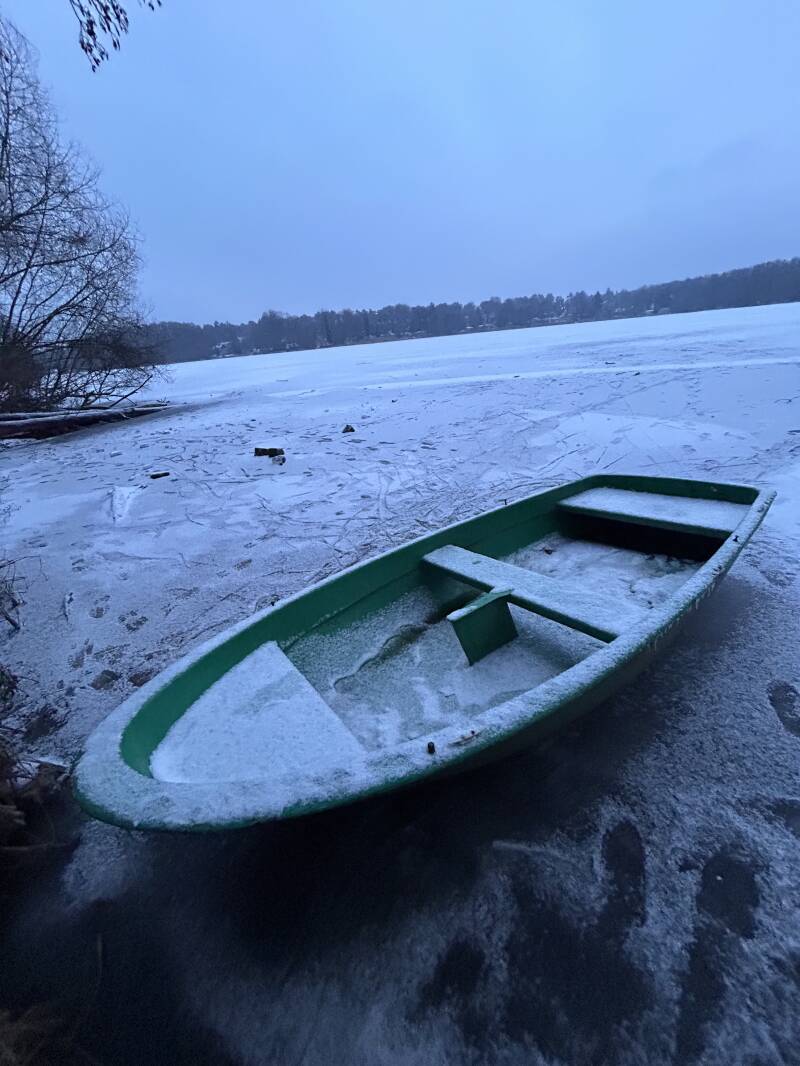
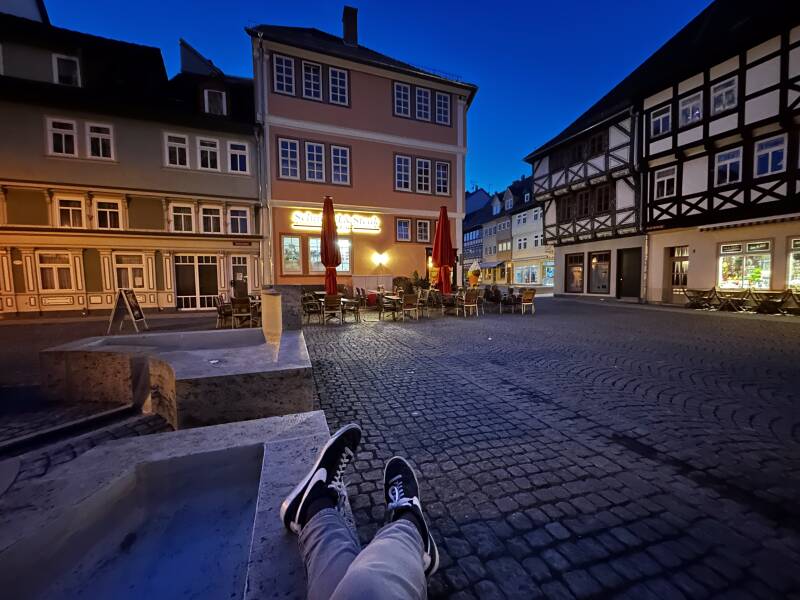
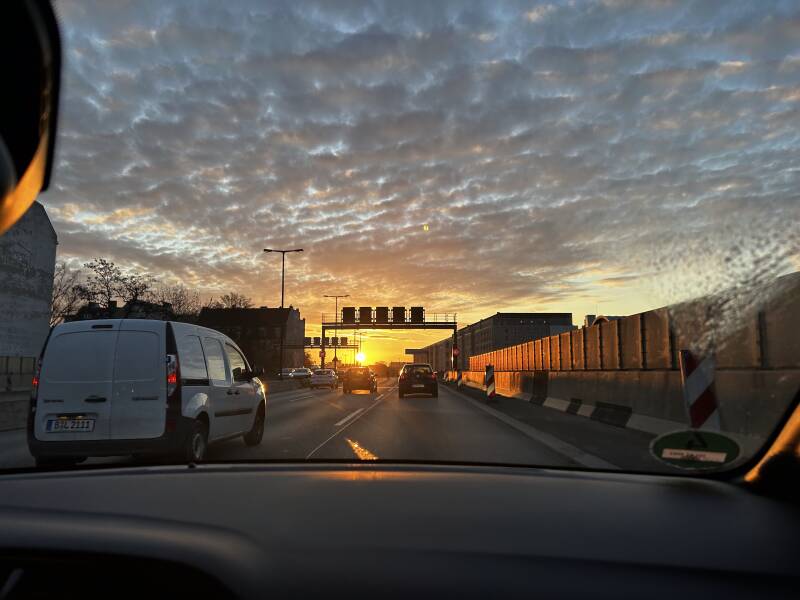
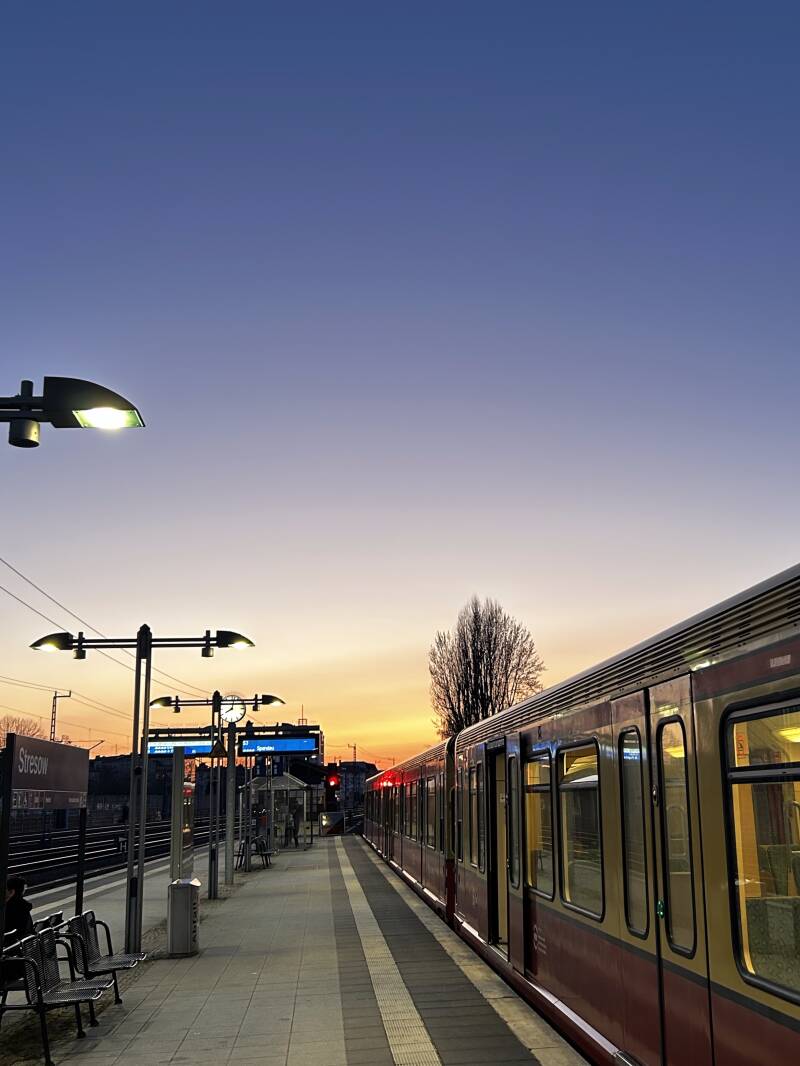
德國簡直是 I 人的天堂。沒有太多 small talk,無論是寧靜的車廂、走廊,甚至餐廳,都很少聽到嘈雜的聲音。大部分公共空間都十分安靜,讓人感覺很舒服。
我記得曾經在波羅的海(Baltic Sea)沿岸的一個小鎮逗留了兩天。抵達的那天,剛好是日落時分,景色非常美麗。我和同事在海邊的沙灘坐下來,看著餘暉映照著對面瑞典的小島。四周沒有一絲噪音,只有微風吹拂,海面平靜得像一面鏡子,周圍也沒有其他人。那優美的畫面至今仍然留在我的腦海中,可惜當時沒有拍照……
德國甚至有相關法規,限制星期日使用剪草機等會產生噪音的活動。德國的 Sonntagsruhe(Sunday rest)文化和相關規定,保障人們在星期日享有安寧的休息時間,避免受到不必要的噪音滋擾。換句話說,即使是在自己的草坪或花園,星期日也不能隨意使用剪草機。
Germany is practically an introvert's paradise. There's very little small talk, and whether it's on trains, in corridors or even in restaurants, things tend to be remarkably quiet. Most public spaces are peaceful and pleasantly calm.
I remember spending two days in a small town along the Baltic Sea. We arrived just after the sun had set, and the scenery was absolutely beautiful. My colleague and I sat down on a beach by the sea, watching the afterglow cast its light over a small Swedish island across the water. There wasn't a single noise. Just a gentle breeze, a sea as calm as a mirror, and nobody else around. That beautiful scene has stayed with me even till now. I still find myself thinking back to it from time to time. It's just a shame I didn't take any photos.
Germany even has regulations restricting noisy activities on Sundays, including the use of lawnmowers. The German tradition of Sonntagsruhe (Sunday rest), supported by noise protection regulations, is intended to ensure that people can enjoy a peaceful day of rest without unnecessary noise. In other words, you can't simply mow your lawn on a Sunday, even in your own garden.
食物
在Hamburg時,有位土生土長的漢堡同事帶我周圍走走。他跟我分享很多德國的「非主流歷史」之中,我覺得德國名物「currywurst」的歷史最有趣。
「Curry」是咖喱,「wurst」是香腸。二戰後的某天,西德有名叫 Herta Heuwer的食物檔主向當時進駐的英國軍人拿了Worcestershire sauce 和咖喱粉。她將Worcestershire Sauce、咖喱粉、以及其他香料攪拌,倒在香腸上,再賣給正幫忙重建戰後柏林的工人。之後,這街道小食逐漸變得流行,最後亦演變成今天德國其中一個「national dish」。
In Hamburg, a local Hamburger local volunteered to show me around his city afterwork. I'm so grateful to have him as my guide cuz he shared a lot of non-mainstream bits of German history to me. My favourite one being the history of "currywurst".
"Curry" is curry, and "wurst" refers to sausage. Someday after WWII, a woman named Herta Heuwer in West Berlin received some Worcestershire Sauce and curry powder from a British soldier. She then mixed them with other spices, poured the mixture over sausages, and served them to builders who're busy rebuilding the post-war Berlin. As time goes by, this snack/food became popular, it was eventually seen as one of Germany's national dishes.
我的(半個)德國朋友曾經在英國煮過一次Klose給我,我覺得很好吃,但一直沒機會再吃。所以,在其中一次的德國之旅中,我特意花了€23去吃多一次Klose(配鹹豬手),為了舌頭重溫這道菜的味道,和眼睛記得這道菜的樣貌。我又買了只有在德國有賣的配料,回家後自己試煮給家人吃...成功(好像是)!
My halfie friend once cooked klose for me in his house in the UK. I quite liked it, but I never had another chance to eat it again. So, in my most recent Germany trip, I spent €23 to try klose (with a pork knuckle) again just to relive the taste, but also to take another look at the dish and remember what it looked like. I even went on an ingredient hunt in German grocery stores because you can’t get the Klose powder or gravy in the UK. Had to bring some back with me and try making it at home!
很多德國的小朋友和年青人都介紹我吃「Döner kebab」。Döner kebab其實是和Currywurst一樣,都是近幾十年才興起的國民美食。二戰之後的德國,人口很低,勞動力下降。西德政府想盡快復興經濟,於是向多國簽了「Guestarbeiter」的外勞政策。當中,土耳其是輸出最多的外勞,而且土裔外勞很多都落地生根於德國,這也意味著土耳其著名的Kebab也落地生根於德國。Döner kebab我已經吃過無限次,因為他價廉物美,€5-7左右,份量大,有夠熱,有菜有肉,隨處有售。
Many kids I met on the trips recommended me to try their döner kebabs. Like currywurst, döner kebabs are also a relatively-recent national dish of Germany. After WWII, the German population was greatly reduced, hence, a shrinking labour force. The West German government quickly signed the "Guestarbeiter" policy with several developing countries, hoping they'll send "guest workers" (labours) to work in Germany. Amongst all, Türkiye produced and sent the most guest workers to Germany. Years later, these Turkish workers had decided to stay and permanently reside in Germany, and so as their cuisine. I've lost count of the döner kebabs I've eaten in Germany, but one thing I remember is how affordable and popular döner kebabs are - €5 to €7, they're filling, hot, nutritious, and available in every corner of the country.


身份認同
「香港」,有一刻真的感覺很遙遠。
那不單止是地理距離上的遙遠,而是一種在狀態上、感覺上逐漸拉開的距離。
很有趣地,很多人看見我是 Asian,都會問我的 ancestry 是哪裡,但通常不會再追問下去。反而,他們會下意識地預設(或認為)我是一個 European-born Asian,因此傾向問我關於英國的事情,例如英國的教育制度、人生志向、對德國的印象、工作、家庭等等。加上移居英國之後(以及在德國生活的那幾個星期),所有與香港有關的東西和過去,似乎都變得無法直接連結到我的日常生活。它們仍然存在,但已經不再是每天生活的一部分。
我彷彿被默認成為了一個「英國人」,因為我就是「from the UK」。
"Hong Kong" felt so distant at one point.
The distance wasn't merely geographical, but it's more of a gradual separation in my circumstances, state of mind and how I connect with people.
Interestingly, I got asked so often (in Germany) where my ancestry is, but the interrogation about my family or ethnicity ends there. My guess is that (out of respect and by default) they thought I was an European-born Asian, therefore their next questions are typically about life in the UK, my ambitions, impressions on Germany, my job and family life etc. Also, ever since moving to the UK (and these few weeks in Germany), very little things in my everyday life can relate and correspond to my roots - Hong Kong. They might still exist, but they aren't part of my everyday life anymore.
Sometimes, I felt like I was seen as a Brit by default, because I was the one who's "from the UK"
有一間學校對我們特別熱情。他們知道我們是「英國人」,所以特意在房間準備了 tea、scone 和 biscuit(英式的茶、茶點scone和餅乾)。事前,他們亦邀請我準備當天向他們分享 British slangs,以及英國的 small talk 文化。當我知道request之後,我在酒店房間裡自己笑了很久。因為作為一個「英國人」,其實我自己也仍然在學習什麼才算是「英式」。在那間學校那天,我只好用自己最 posh 的 intonation、最 RP 的 consonants、最 southern 的 vowels,再加上一些我在英國工作時觀察到的 small talk 場景,勉強代表「英國」向德國人介紹「我的文化」。(講笑,我其實沒有那麼exaggerate我的British accent)甚至,我還要在一大班人面前示範如何沖英式奶茶!幸好,以前有英國的同事叫我幫她冲奶茶,所以我才懂得如何正確地沖。
這成為了我人生中一段非常特別的回憶。我慢慢發現,身份認同有時並不是自己能夠掌控的。無論是正面還是負面的身份標籤,有時其實早已由社會替你定下。
I had an interesting encounter in one of the schools I visited. They knew I was from the UK so they deliberately welcomed me with tea, scone and biscuits. They also requested to have a lesson about British slangs, small talk cultures and stereotypical stuff like that. The moment I found out that's what they requested me to teach I literally bursted in tears laughing so hard in my room. Me as a "Brit", I'm actually still exploring what it means to be a "Brit". With no other choice, I forced my poshest intonation, the most RP consonants, the most southern vowels to present them what I've observed when small talking with Brits, and barely speaking on behalf of British culture to the Germans (I'm just joking, I didn't force and exaggerate an accent). I even had to show an audience of 30 people how to make "tea" the British way... I'm glad that in one of my previous jobs, my colleagues made me make tea for them so I wouldn't have to embarrass myself in Germany.
This became a particularly special memory of the trip. It also made me realise that identity is not always something we get to define for ourselves. Sometimes, society has already placed us in certain categories, whether in a positive or negative light.
這些旅行的經歷也深深影響了我的世界觀。來自地圖上的哪一個位置,其實並不是最重要的。重要的是,你現在以及未來,想在自己心目中把自己放在哪一個位置。同樣地,知道一個人來自哪裡,只是了解他的開始,而不是終點。真正重要的是,你有沒有好奇過,那個地方對他而言代表什麼。
我曾經發現,很多人不知道我其實來自香港,可能免得觸犯racist的topic,知道的人亦沒有真正問過香港對我而言是什麼。他們認識的可能只是一個地理位置,而不是我生命中的那個香港。因此,有人肯問更多香港的東西,我十分歡迎,且深感欣慰,因為香港在我心中仍是我心愛的地方。也因此,我不希望自己只看見別人的標籤,而忽略了那些標籤背後的故事、心愛的東西。
These kind of random travel experiences have somehow shaped my worldview subtly. Where we come from on the map is not really what matters most. What matters is where we see ourselves today, and where we want to place ourselves in the future. Likewise, knowing where someone comes from is only the beginning of understanding them, not the end. What really matters is whether we have ever been curious about what that place means to them.
I've noticed that quite a lot of people I met (whether in Germany or the UK) don't realise I'm actually from Hong Kong. Maybe they're worried about touching on a sensitive or potentially controversial subject. Even those who know have never really asked me what Hong Kong means to me. They may know Hong Kong as a place on the map, but not the Hong Kong that I carry with me in my own life. So whenever someone is genuinely curious and asks me more about Hong Kong, I really appreciate it. It makes me feel quite touched, because Hong Kong still hold a special place in my heart. Perhaps this is also why we shouldn't be defining people solely by the labels associated with them, while overlooking the stories, memories and things they cherish that lie behind those labels.


任務完成
星期五的1pm的鐘聲,是自由的鐘聲,亦是是道別的鐘聲。我不是立刻衝回房間睡覺,就是立即繼續上路,去真正的去德國「旅遊」。我終於可以離開那些山旮旯的地方了!
什麼柏林圍牆,法蘭克福,德國咸豬手,德國啤,大教堂,我忍了幾個星期,我終於可以返回遊客的世界!
感激有個一個這非一般的德式體驗。希望我考德文A2合格吧!
The 1 pm Friday bell was my freedom bell, but it was also a farewell bell. There were only two possibilities: either I'd rush back to my room and collapse into bed, or I'd hit the road without a second thought and finally go out and explore Germany properly. I could leave those remote, middle-of-nowhere places behind and get back to civilisation!
After weeks of holding myself back, I could finally step back into the world of being a tourist! Whether it was the Berlin Wall, Frankfurt, a good old German pork knuckle, German beer or magnificent cathedrals, I had been waiting for weeks to explore all these things.
I'm really thankful to have experienced this rather unique side of Germany. Hopefully, I'll pass my German A2 exam!

陌生的地方,熟悉的感覺
明明每次去的地方也不同、極度偏僻,旅程又很多未知之數,亦估計會有難關,但每次都神奇地很有信心地踏上飛機。
完全靠自己一個人去面對、感受、安排、計劃,甚至掌控旅程中的一切。做過什麼、經歷過什麼,不會有人知道,也不會有人記得。那種沒有人認識你、沒有人干涉你,凡事都由自己決定的自由,是我十分嚮往的。
在聽不明的對話中穿梭、適應不同的駕駛方向、應付另類的small talk、在山旮旯的村莊用上我剛剛從學生身上學到的德文去點餐問路、在此成為唯一的outsider (不論國籍,種族,年紀,背景)、在北海看日落、田野之中踩單車左閃右避路上的蘿蔔和椰菜(tractor太滿而掉下)、和其他德國的移民connect,彷彿是一種享受。
第一次去的機場,第一次見的人,第一次要做的工作程序,都好像不是第一次。就是那種要「自己執生,自己變通,自己醒醒定定,無人會幫到我,亦無人會管我」的感覺很正。
這是一種我在英國、香港,甚至以前生活過的澳洲,都不太容易找到的感覺。未必是德國獨有的地方特色,能夠帶給我這種感受,但至少,這些事情就是在德國發生了。
The funny thing is, every trip like this took me somewhere completely different, often in the middle of nowhere, with plenty of uncertainties and challenges to come. Yet somehow I always set off with a fairly big deal of confidence.
Having to face, experience, arrange, plan and even take control of everything entirely on my own. No one knows what I've been up to or what I've experienced along the way, and no one will remember. There's something incredibly liberating about being somewhere nobody knows you, nobody interferes with you, and every decision is yours to make. It's a kind of freedom I crave for.
Finding my way through conversations I can't quite understand, adjusting to driving on the opposite side of the road, navigating all sorts of unfamiliar small talk, and putting the German I've just learnt from my students to use when ordering food or asking for directions in the middle of nowhere. Being the only outsider in the place (whether nationality, ethnicity, age or background). Watching sunsets along the North Sea, cycling through fields and dodging carrots and cabbages that have fallen off an overloaded tractor, and chatting with immigrants. I find genuine joy in all these experiences.
Whether it's navigating an unfamiliar airport, meeting people for the first time or going through work procedures I've never encountered before, somehow it all feels strangely familiar. Perhaps it's because I genuinely enjoy that feeling of having to figure things out as I go, think on my feet, stay alert and adapt to whatever comes my way. The mindset of "no one is going to help me, and no one is going to look after me. I'm entirely on my own" is something really satisfying to me.
It's a particular sense of satisfaction and fulfilment that I haven't quite found in the UK, Hong Kong or even Australia, where I used to live. Perhaps it's not something exclusive to Germany, but for now, these are the things I've experienced in Germany.
但原來,另一種截然不同的感覺,同樣令我十分享受,就像魚回到水中一樣。
旅程結束後,回到英國,一切又重新變得熟悉,而且盡在掌握之中。不用再說 Ich weiß nicht,不用再開地圖,不用腦裡計兌換率,不用周圍試伏。開車時終於可以踩穩油門,知道離家還有85米的路口就要開始減速,避開測速相機,然後再一手軚扭進 driveway ---- gute nacht!
原來,能夠在陌生的地方享受未知,也能夠在熟悉的地方享受自在。兩種截然不同的生活狀態,竟然都各有各的吸引力。
But then again, there's another completely different feeling that I find equally enjoyable — like a fish back in its own water.
Once the trip was over and I returned to the UK, everything fell back into place. Everything was familiar, predictable and, once again, within my control. No more Ich weiß nicht, no more checking maps, no more doing mental currency conversions, and no more taking chances on unfamiliar food or places. I could finally enjoy driving again, putting my foot down and knowing exactly when to slow down for the speed camera at the junction just 85 metres from home, before swinging straight into my driveway ---- gute nacht!
Funny enough, I seem to enjoy both the uncertainty of unfamiliar surroundings and the comfort of familiar ones. Two entirely different ways of life, but both have their own charm.
見舊朋友不亦樂乎 Seeing old friends - a simple joy
獨旅其中一個最棒的環節就是見人。雖然我是個 i人,但能在外地重遇舊友,是多麼高興的事呢!
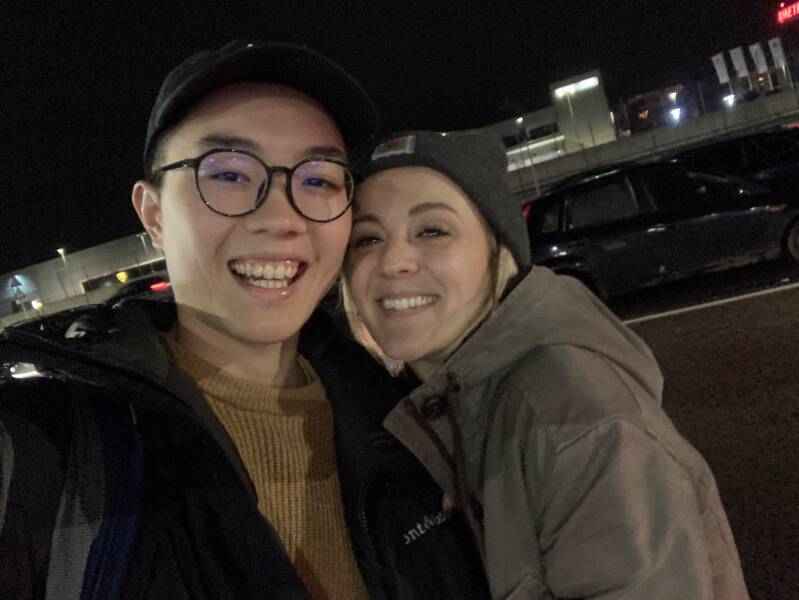
有朋友幾年前搬到Berlin,她經常開玩笑說如果我要去Berlin就必須打擾她。我其實一直都希望會被派到Berlin(因為公司在德國有超過50個點)... 誰知,Bingo!我真的被派中去Berlin,而且是三次呀!所以我下午和晚上有空時,我會找她,一起遊Berlin、talk shit、練習意大利話、煮飯、和數我們2022年在西西里島一起做過的笨事。
我在Manchester兩個好友的家姐是住在Frankfurt的。雖然我們沒見過面,但因為我朋友和social media,我們大概知道對方是誰... 有個周末我沒事幹,另一次我亦在Frankfurt起飛,所以就約見了她們,她們很多聊欸!她們的英文不太好,但我的Arabic和Kurdish基本上是零,於是我嘗試用我這四次深度德國之旅學的德文和他們溝通(以及大量的body language)... 咦?我好像明白40%她們在說什麼,她們亦大概知道我在說什麼?! 整天的活動,和在cafe 四小時的傾談,都沒有大的交通障礙,有點不可思議... 我之後立刻買了德文課本和下載了apps認真開始學德文。
One of the best things to do while traveling (especially traveling solo) is to meet people. Introvert at heart but I also treasure catching up with friends.
One of my friends moved to Berlin a while ago and have been jokingly telling me to crash her couch if I ever happen to visit Berlin. I was hoping I'd be sent to Berlin (cuz I could've been sent to literally anywhere in Germany)... I was! And, three times! So afterwork and on the weekends, we hung out had great time chatting, checking out Berlin, brushing up my Italian, cooking, and laughing over what dumb things we did together in the summer camp in Sicily in 2022.
The sisters of my friends in Manchester also happened to live in Frankfurt. We've never met in person but we kind of know each other through them and social media. I was free on the weekends, and for one the trips I flew off from Frankfurt, I blablacar-ed to Frankfurt and finally met them. Their English were average and so were my Arabic and Kurdish. With no other choice, I attempted to put my German (learned from these four trips) into actual practice... it kind of worked!! We had zero problems communicating the whole day, plus a 4-hour full-on convo in the cafe. I went straight to get a German textbook and downloaded a few apps, I don't want to lose this streak!
Spas ❤️☀️💚


人性 Humanity
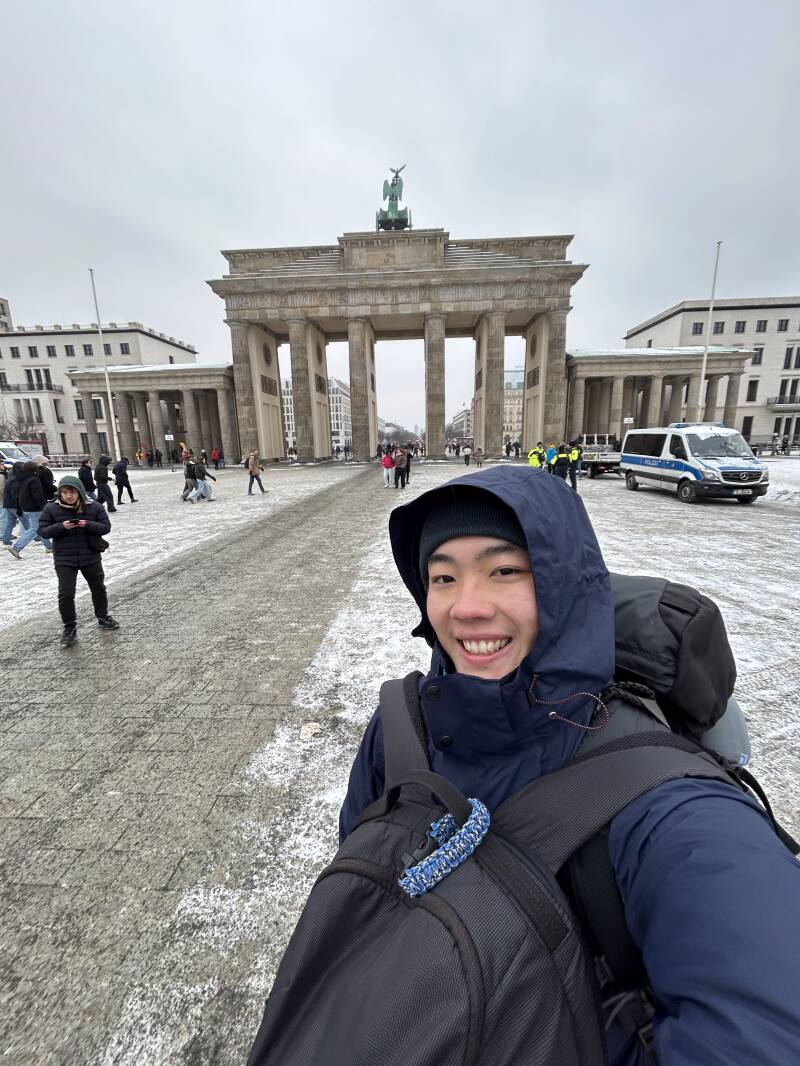
我去了Berlin的幾個博物館、納粹集中營博物館和柏林圍牆。納粹黨做過的事,和東西德的歷史是眾所周知。看完展覽,去完遺址,我覺得很沉重。但同時間,我覺得雖然有如此殘酷的過去,但德國今天可以毫不保留地向外展覽自己的「黑歷史」,其實是respect的。
看看日本,它曾經攻打殺害無數亞洲人民。看看澳洲,它基本上把全部原住民洗清。他們都是有自由的「民主國家」,但是他們有沒有德國那份勇氣去面對、承認和展示自己的「黑歷史」?

Beyond the ordinary
感恩我有如此的機會遊歷德國,旅途上的大小事物都已經成為了美好的回憶。公司現在好像想派人去保加利亞和斯洛文尼亞開荒,我當然已經自薦了,more adventures to come!

Create Your Own Website With Webador