概括 Extract
「巴爾幹」,是一個我在中學的西史堂聽過、讀過的字眼。他究竟是一個國家還是一個人我當時也沒有搞清楚... 直至我搬去英國之後,我才有機會認識這個半島地帶更多。因為偶然遇上有趣的人,所以我偶然決定要去這個有趣的國度-阿爾巴尼亞
跟阿爾巴尼亞人兩年的密切接觸的和八天實地考察的淺薄觀察,以下我會分主題地分享我對阿爾巴尼亞的見解。如如有任何誤解或是不同的見解,歡迎留言!
"The Balkans" I remember coming across this word in my high school history class. I wasn't even sure if that's a country or a person's name back then... Only after moving to the UK did I start to properly know a bit more about this region. Through a coincidental encounter, I decided to explore this intriguing place - Albania.
I'm going to talk you through some of my thoughts, observation and insights of my 2 years working with Albanians and 8 days traveling in Albania. Feel free to comment and share your thoughts if you see it differently!
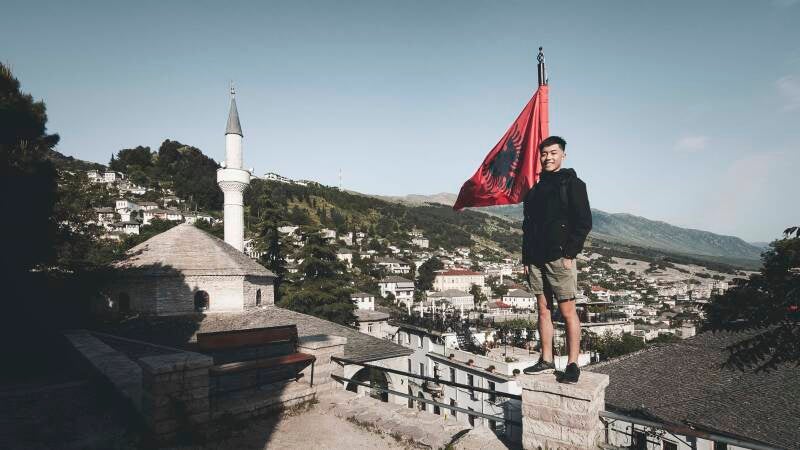
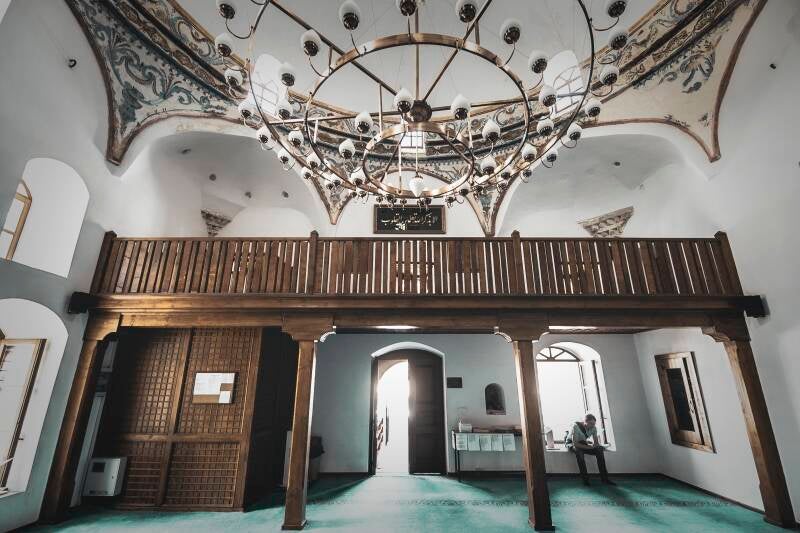
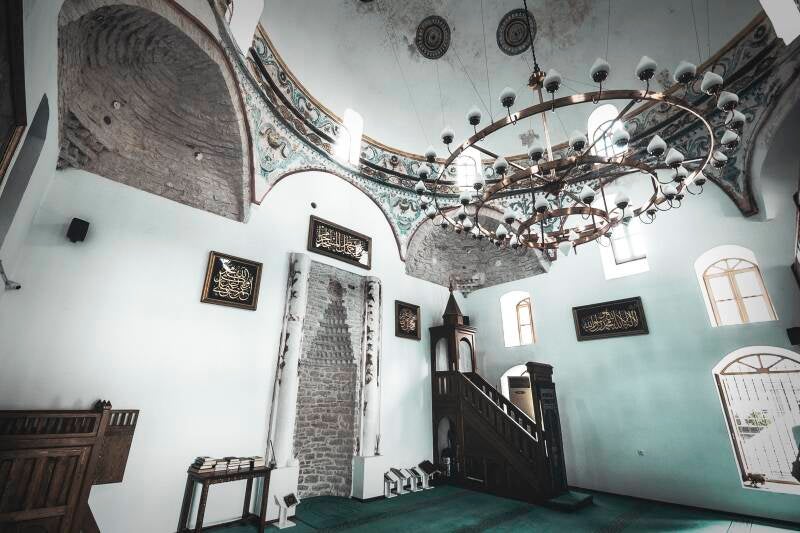
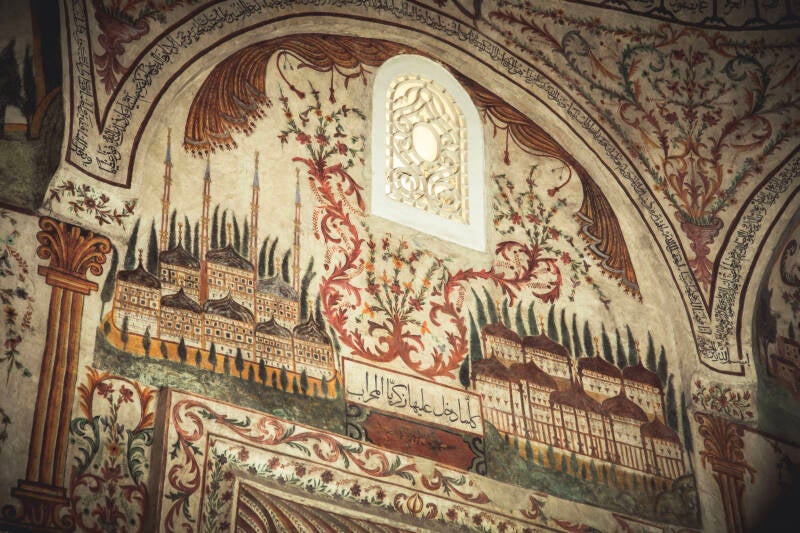
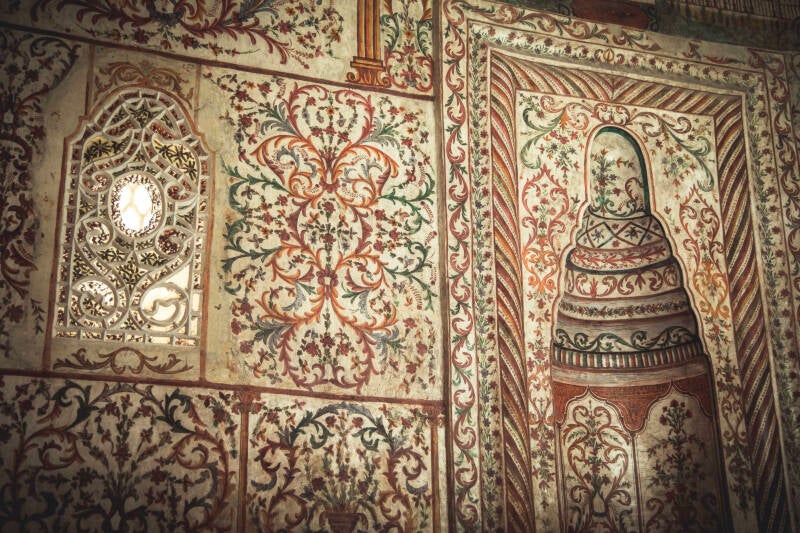
Xhamia e Pazarit (Memi Bey Mosque), Gjirokastër
幾年前,我剛剛從意大利(去西西里那一次)回到英國,我很快地在家附近找到了一份兼職,在一間意大利餐廳當侍應。原因是,一,想賺取外快,二,不想忘掉剛剛在意大利生活學的意大利話,就要找機會和意大利人練習會話。被聘請後,我問老闆和其他伙記是意大利哪裡人,誰知,他們說:「我們是意大利的鄰居,我們是阿爾巴尼亞人。」那刻,我其實有點想立刻辭職,因為我真的很想找一份可以練習意大利話的兼職。
我一向對研究不同的文化、國家、歷史有興趣,但「阿爾巴尼亞」我真的沒有頭緒究竟是什麼,我生命裏完全沒有和這個國家有任何的關連。所以,我想:雖然打這份工不能達到練習意大利話的目標,但至少可以交個阿爾巴亞朋友也不錯。
眨一眼,我跟他們工作了兩年多了。因為,是他們讓我大開眼界;他們國家的歷史、文化、政治、社會議題、語言、巴爾幹半島等等。每天上班他們都在餐廳內講阿爾巴尼亞話、教我用阿爾巴尼亞語說出餐具的名稱、簡單的指令、客人離開之後洗地時又會大播阿爾巴尼亞語歌。一進到餐廳,就彷彿去了阿爾巴尼亞。一下班,就返回英國。
A few years ago, right after I got back from Sicily, I quickly picked up a part-time job at an Italian restaurant near my home. I had two reasons. First, I wanted to earn some extra money. Second, I didn’t want to forget the Italian I had just learned while living in Italy, so I wanted to have a chance to practice it with native speakers. After I was hired, I asked my boss and colleagues where in Italy they were from. To my surprise, they said, “We’re Italy’s neighbors. We’re Albanian.” Honestly, I almost wanted to quit right then because I really wanted a job to practice Italian.
You know I’ve always been a geek about different cultures, countries, and histories, but Albania was completely off my radar. I had never had any connection to it before. I figured that even if I couldn’t practice Italian, at least I might make some Albanian friends.
With the blink of an eye, I had worked with them for over two years. They completely opened my eyes. Their country’s history, culture, politics, social issues, language, and the Balkans in general fascinated me. Every day at work, they spoke Albanian in the restaurant, taught me the names of utensils and simple instructions in Albanian, and after the customers left, they would bang on the Albanian songs while we mopped the floor. The moment I stepped into the restaurant, it felt like I was in Albania. And when my shift ended, I would return to the UK.


這樣,我就決定人生要去一次阿爾巴尼亞。 有天,我向老闆辭了職,告訴他我要尋找在餐廳裏他們經常提及的那個地方,他有點失望,但他最後仍然笑着說 “that’s fine… enjoy your stay there!” 我終於搭上了飛往Tirana的航班,親身去探索那個「意大利的鄰國」!
Boldly I decided that I had to visit Albania once in my life. One day, I told my boss I was quitting and that I wanted to go see the place they kept talking about at the restaurant. He looked a bit disappointed, but in the end he just smiled and said, “That’s fine… enjoy your stay there!” Finally, I boarded a flight to Tirana and set off to explore that “neighbour of Italy” for myself.

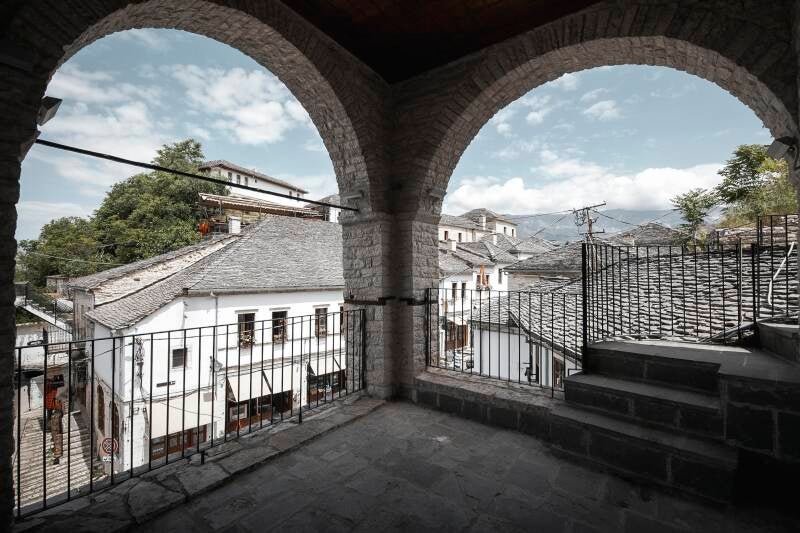
Early morning at the Gjirokastër Bazaar
旅行
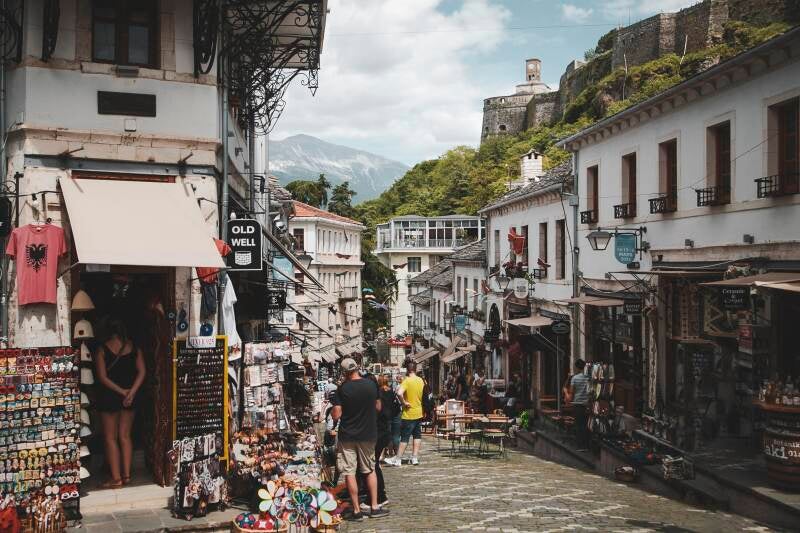
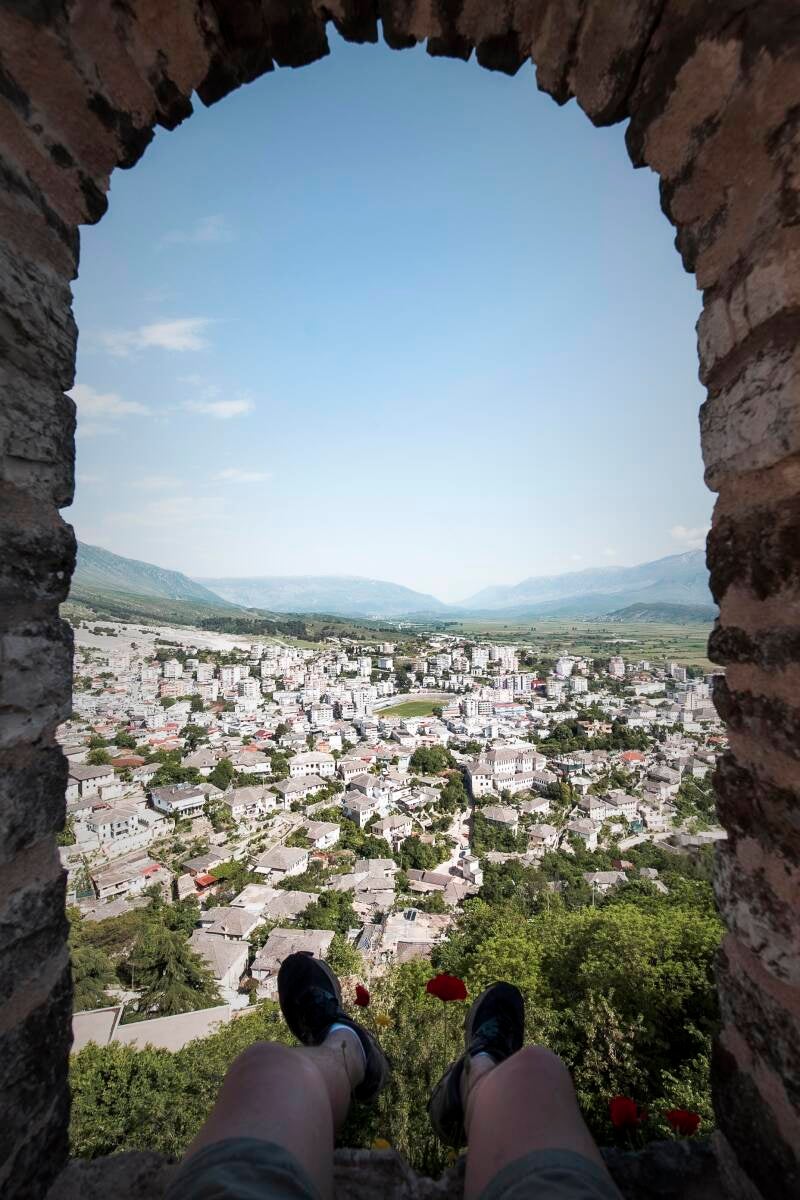
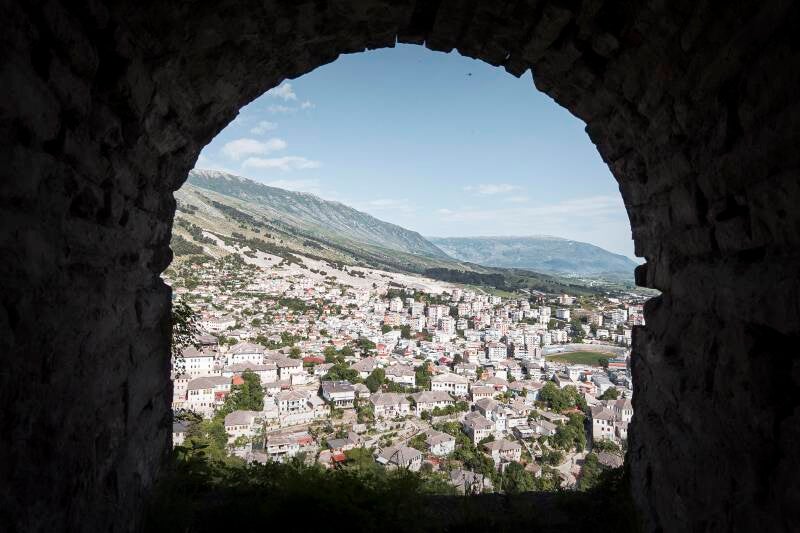
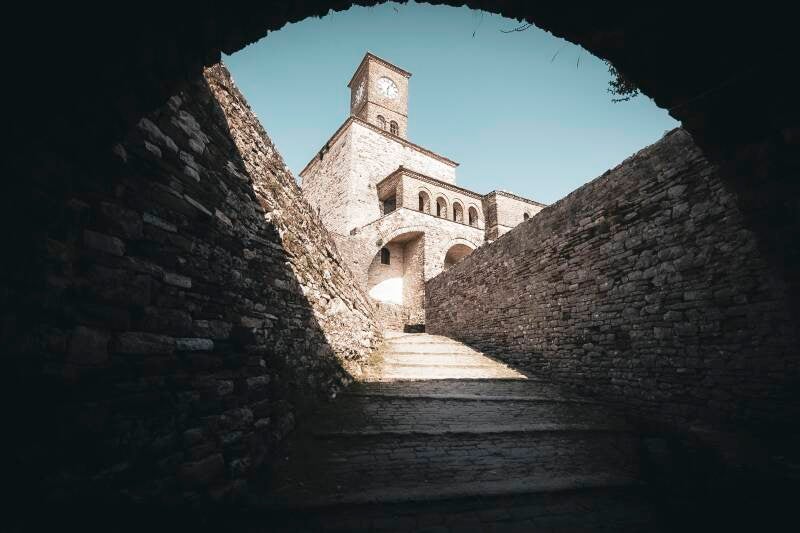
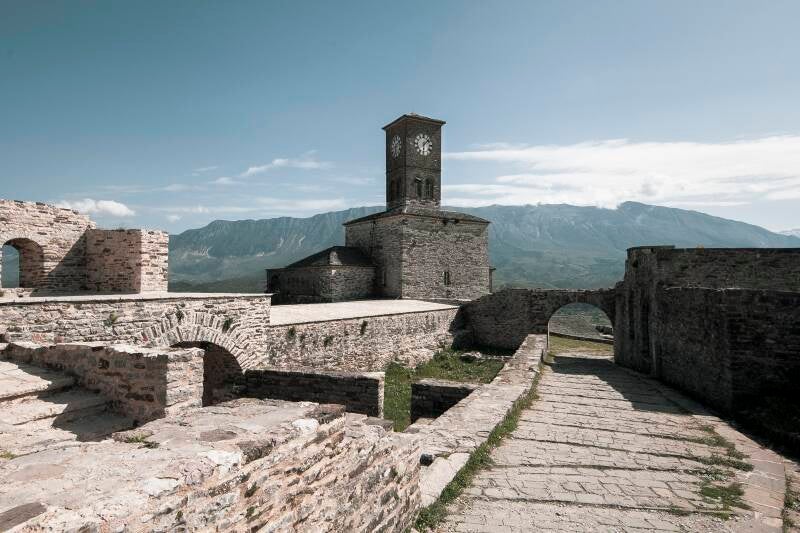
到達不久,在街上走著,已經可以看見阿爾巴尼亞的市容有點落後,很多沒蓋好的房子。天氣和溫度完美,物價低。坐著小巴,穿越山區和Adriatic Sea的海岸線,寧靜又壯麗。有小村莊、牧羊人和動物、90s年代出廠的汽車、清真寺等等。我有八天的時間,去了幾個旅人主要會去的地方:Tirana、Sarandë、Ksamil、Gjirokaster、Berat。看過有雪蓋著頂的山、清澈透底的沙灘、過百年的清真寺、帶奧圖曼風味的食物和建築物,風景和整體旅行體驗媲美希臘,土耳其。當中最喜愛的是Gjirokaster,位於山區上峽谷地帶的奧圖曼小鎮。被小巴司機中途遺棄後,截輛順風車,再在30幾度的烈日下背着兩個背包走上的大斜路,最後終於到達在Google image看過很多次的Gjirokaster bazaar-滿足!八天的時間,絕對不夠,阿爾巴尼亞北部的地方我都沒有去,當中還有秋天美得要命的Albanian Alps我有機會要去!喜歡歷史和大自然的你,我誠意推介阿爾巴尼亞!
Travel experience
Not long after I arrived, walking through the streets, it was already clear that parts of Albania felt a bit behind, with many unfinished buildings scattered across the city. The weather and temperature were perfect, and prices were low. Riding in minibuses, I traveled through mountains and along the Adriatic coast. The scenery was both peaceful and majestic, with small villages, shepherds and their animals, cars from the 1990s, and mosques along the way.
I had eight days and visited some of the main spots travelers usually go to, including Tirana, Sarandë, Ksamil, Gjirokaster, and Berat. I saw snow-capped mountains, crystal-clear beaches, centuries-old mosques, and Ottoman-style food and architecture. The landscapes and overall travel experience could easily compare with Greece or Turkey.
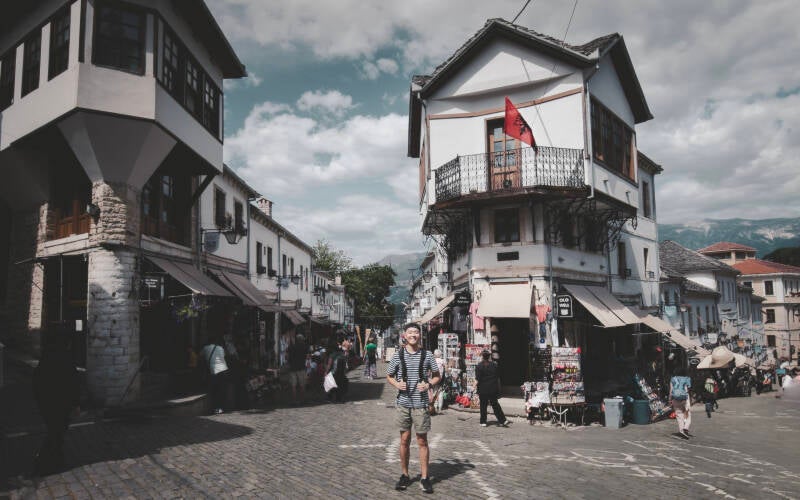
My favourite has to be Gjirokaster, an Ottoman town perched in a mountainous canyon. After being ditched by the mini bus driver, I hitchhiked for the first time in my life then hiked up a steep road with my 12 kg backpacks, finally arriving at the Gjirokaster bazaar! I had seen images of it for countless times on Google Images. It was completely worth it.
I reckon eight days wwas definitely not enough. I didn't even get to northern Albania, the Albanian Alps there look sick in autumn! If you love history and nature, I highly recommend Albania!

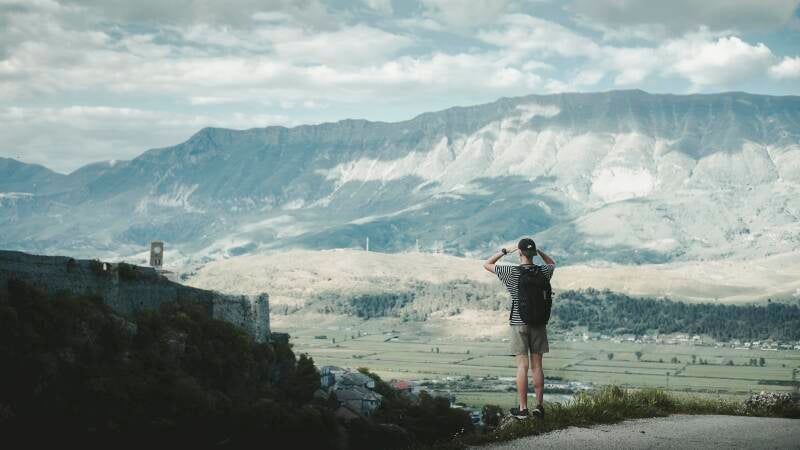
Gjirokastër castle
宗教
阿爾巴尼亞令人驚奇的不僅是其隱秘而壯麗的自然景觀,這個國家的宗教多樣性和共存本身也是一種奇觀。
1946年至1992年,阿爾巴尼亞在共產政權統治下被稱為「歐洲的北韓」,期間禁止一切宗教活動,大量宗教建築被收歸國有,宗教領袖亦遭監禁。隨著1992年政權倒塌,宗教竟可以復興,伊斯蘭教、東正教及天主教重新出現在社會中。由於幾十年的強制無神論影響,今日大多數有宗教信仰的阿爾巴尼亞人屬於世俗化的信徒(secular believer)。我餐廳的阿爾巴尼亞廚師本人是穆斯林,而他的妻子是東正教徒,但他們會一起參加天主教的禮拜。我也會如何正確使用「alhamdulillah」、「inshallah」、「wallah」與「mashallah」等穆斯林用語。但有趣的是,教我這些的並非中東穆斯林,而是餐廳的阿爾巴尼亞伙記們。而他們的國家,同時也是天主教著名人物德蘭修女的**祖籍之地。甚至連阿爾巴尼亞唯一的國際機場都以德蘭修女命名「地拉那國際機場(Tirana International Airport Nënë Tereza)」。在一個穆斯林為多數的國家,首都的主要機場和市中心廣場竟以天主教人物命名,這種文化現象本身就令人覺得非常特別與引人注目。這種跨宗教的和諧共處,以及城市中同時可見東正教堂、天主教堂與清真寺的景象,令人感到十分神奇。
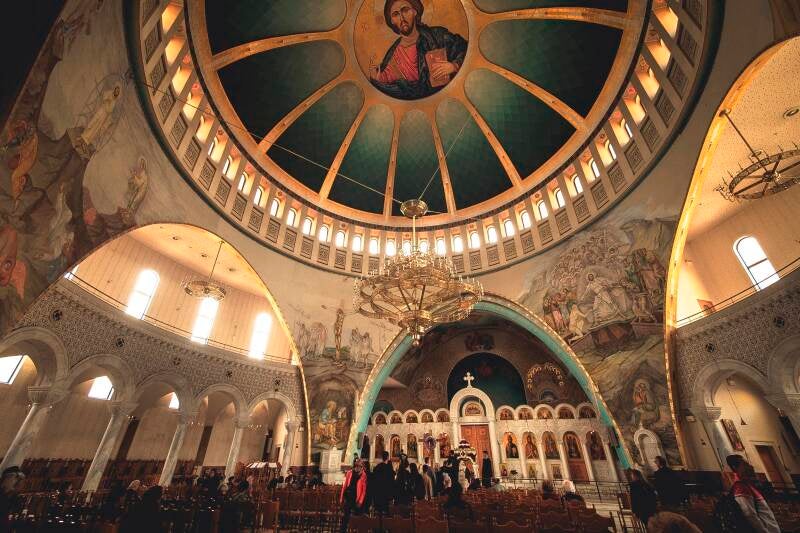
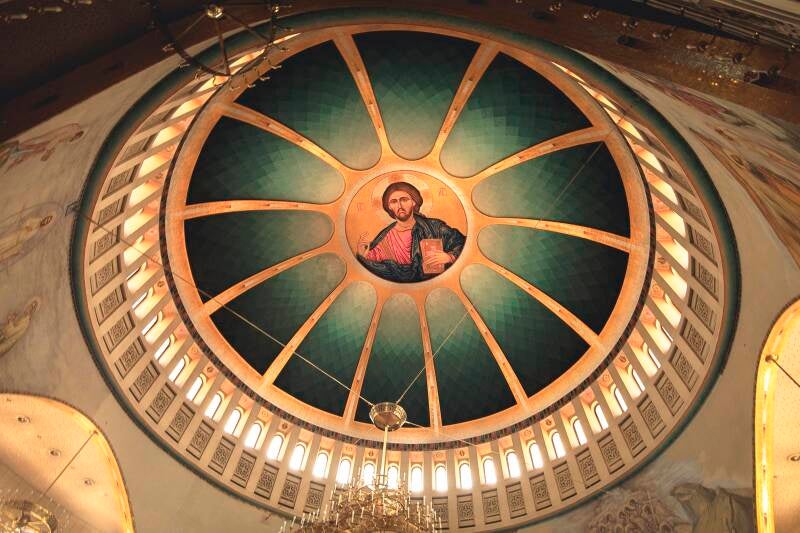
我在Tirana剛參觀完一座在天主教堂不久,走出來不遠便再次聽到教堂鐘聲。原來另一座教堂就在附近。但當仔細觀察,十字架上已沒有耶穌像,修女頭巾的款式也不同,那是一座東正教堂。傍晚在廣場散步,清真寺播放著call to prayer,亦有東正教的信徒在街上拿著大十架巡迴着。Tirana不僅是視覺和信仰上的共存,更是一個歷史與信仰交融的熔爐。
**坊間仍然有討論德蘭修女是哪裡人。我個人比較相信她生於鄂圖曼帝國科索沃省(今為北馬其頓領土)的一個阿爾巴尼亞裔家庭。所以,問阿爾巴尼亞人、北馬其頓人、科索沃人這問題,可能有三個不同的答案。
Religions
I think Albania is amazing not just because of its hidden, stunning landscapes, but also because of its religious diversity and its tolerance towards different religions.
From 1946 to 1992, under communist rule, Albania was known as “the North Korea of Europe.” Back then, all religious activities were banned, many churches, mosques, and other religious buildings were seized by the state, and religious leaders were locked up. After the regime fell in 1992, religion miraculously made a comeback, and Islam, Orthodox Christianity, and Catholicism started appearing in society again.
Because of decades of forced atheism, a lot of Albanians who are religious today are secular believers. My Albanian chef at the restaurant was Muslim, while his wife was Orthodox, yet they would still go to Catholic services together. I also learned how to use phrases like “alhamdulillah,” “inshallah,” “wallah,” and “mashallah.” The funny thing is, it wasn’t Middle Eastern Muslims who taught me these, it was my Albanian colleagues at the restaurant. At the same time, their country is the **homeland of Mother Teresa, and Albania’s only international airport is named after her "Tirana International Airport Nënë Tereza". In a Muslim-majority country, having the main airport and a central city square named after a Catholic figure is pretty remarkable in my opinion.
The coexistence of different religions in Tirana is fascinating. You can see Orthodox churches, Catholic churches, and mosques all in the same area. I had just visited a Catholic church when I stepped outside and heard church bells ringing again nearby. Turns out it was an Orthodox church—no Jesus on the cross and the nuns’ headscarves looked different. In the evening, walking through the square, I could hear the call to prayer from a mosque while Orthodox believers carried large crosses through the streets. Tirana is not just a city of visual and religious coexistence—it’s a real melting pot of history and faith.
**There’s still some debate about Mother Teresa’s origins. My take is that she was born in the Ottoman Empire’s Kosovo Province, now part of North Macedonia, to an Albanian family. So if you ask Albanians, Macedonians, or Kosovars about her, you might get three different answers.

City of a thousand windows - Berat
千窗之城-Berat
社會問題
我出發前已知道阿爾巴尼亞其實是個民生極度艱辛的國家。滄桑的過去、落後的市容、極低的GDP、有升無跌的失業率,阿爾巴尼亞是歐洲top 3最窮的國家。英國前首相辛偉誠(Rishi Sunak)在任時常提及的「Stop the boats」口號,指的是要停截那次從法國和荷蘭非法偷渡過來英國的難民快艇。其實,船上絕大部分的難民是阿爾巴尼亞人。他們並非因戰爭或是政治而逃亡,而是經濟難民。幻想一下,一個國家的經濟有多差,前途有多灰暗,人才會不惜一切要離開,而且是以這種方式離開。有人坐貨車底,有人攀山越嶺,有人流浪十幾年,有人用上全副身家,再願意帶毒品登上開往英國的快艇(為要賺旅費。另外,英國的🌿很多是這樣來),為要永久地離開阿爾巴尼亞-多麼淒慘的現實!
Social problems
Before I set off, I already knew that life in Albania is tough. With a rough past, still developing, very low GDP, and ever-increasing unemployment rate, Albania is actually one of the poorest countries in Europe. You’ve probably heard the slogan “Stop the boats” from the former UK Prime Minister Rishi Sunak. It was about stopping refugee boats coming illegally from France and the Netherlands to the UK. You know what, most of the people on those boats were actually Albanians.
These weren’t people fleeing war or political persecution, they were economic refugees. Just think about it, the situation has to be so bad and the future so bleak to a point where people are willing to risk everything to leave. Some hide under trucks, trek across borders, some wander for over a decade, and some spend all their savings to get on a boat to the UK, even smuggling drugs just to pay for the trip (that's a main source of the the UK's 🌿) and leave Albania for good. It’s a harsh reality I'm not going to lie, and really heartbreaking to think about.

2022年,最多以快艇非法入境英國的難民原產國家是阿爾巴尼亞。遠多於塔利班控制著的阿富汗、阿塞德壓制著的敘利亞、以及內戰不斷的蘇丹!
In 2022, the country of origin for the most illegal arrivals to the UK via small boats was Albania. It was more than the Taliban-threatened Afghanistan, Assad-haunted Syria, or conflict-ridden Sudan!
https://www.bbc.co.uk/news/explainers-63473022
在境外的阿爾巴尼亞人比境內的還要多!我訪問過hostel的老闆,他如何看他生意和阿爾巴尼亞的未來,他說他只要有機會,他就會閉業離開。他說他雖然有盤生意,但他看不見未來。因為在阿爾巴尼亞要「成功」,要認識「對」的人。「努力」、「天份」、「能力」、「儲蓄」在這個國家是用不著。他又說阿爾巴尼亞這麼多的「爛尾樓」,就是這個原因。有人可能終於儲到錢蓋房子,但在蓋到一半時,不是發覺完來不夠錢,就是沒有「認識到對的人(指的是要靠「關係」)」,房子的工程就這樣結束。國家很腐敗,無論年輕人有再好的才華,最後都不會有好結果。我聽完覺得很心酸,因為老闆應該是比平常人富裕一點,竟然他也這樣想,我也好奇他的生意是「怎樣」可以發展到這個地步... 我另一天去了Sarande剪頭髮,和我同齡的剪髮老闆聊天,我又問類似的問題,但他卻有另一個觀點。他說他對生活十分滿意;英文流利,剛剛買了dream car,準備向女友求婚,和把家人從另一個地方搬到Sarande。他又說,其他人要離開阿爾巴尼亞他不管,他對自己是本地人感到自豪。我有點confused又驚訝,因為除了阿爾巴尼亞的大自然以外,我沒有聽過任何其他有關這國家的評論是正面的。或許,跟不同人交談真的可以打破stereotype,或至少令我更批判性的看世事,或是給我寶貴的機會看一個國家的多樣性。
Did you know there are more Albanians living abroad than in Albania? I chatted with the owner of a hostel about his business and what he thinks about Albania’s future. He said that the moment he got the chance, he’d shut his hostel business and leave. Yes he "has" a business, but he just can’t see a future here. According to him, to “succeed” in Albania, you need to know the “right” people. Hard work, talent, skill, or savings don’t really matter in this country. He also explained why there are so many unfinished buildings everywhere. People might finally save enough to build a house, but halfway through, either the money runs out or they don’t know the “right” people to get things done, so the project just stops. The country is very corrupted, and no matter how talented young people are, it rarely leads to good outcomes. I felt really sad listening to him, especially since he’s relatively well-off (he's a boss), yet he sees it this way. I was also curious about "how" his business even got to this point.
A few days later, I went for a haircut in Sarandë. I chatted with the barber/owner, who was around my age, I asked him similar questions. He had a completely different perspective. He said he’s really happy with life. He speaks English pretty fluently, just bought his dream car, is planning to propose to his girlfriend, and planning to move his family to Sarandë. He added that he doesn’t care if other people leave Albania, he’s proud to be local. I was a bit confused and surprised because, aside from Albania’s nature, I hadn’t really heard anything positive about the country. Maybe talking to different people really helps break stereotypes, or at least gives me a more critical view of things, and a chance to see a country’s diversity firsthand.

攝於一幢「爛尾樓」
Photographed in an unfinished house
我賺的是英鎊£,花的卻是阿爾巴尼亞列克(Albanian Leke)。所以我用賺英鎊的身份來判斷阿爾巴尼亞東西的價格。雖然我本身(也永遠會是)一個不願花大錢的旅人,但在阿爾巴尼亞大部分時間我付錢前並沒有想太多,因為我來自一個相對昂貴的國家。 我在Tirana買了一個價值 £6的紀念品。對我來說 £6還好,但對當地人呢?我在抵達阿爾巴尼亞之前就已經計劃好要買那個紀念品,所以無論如何都得買。有時候,我會為當地人感到難過和抱歉,因為我能輕鬆取得他們國家的資源,而他們卻無法。雖然我花的是自己的錢,也努力賺來的,但知道我購買的這些「便宜」的東西,對當地人而言卻是一種奢侈,讓我內心感到一種沉重。 英國最低時薪當時是 £11.44,而阿爾巴尼亞最低時薪則是 £1.78(Leke換算)。遊客玩得很開心,我也玩得很開心,但對於本地人呢?
I am earning Sterling Pounds £ and spent in Albanian Leke. I was using a UK employee’s POV to judge whether things had reasonable price while traveling in Albania. Though I was (and will always be) a budget traveler, for most of the time I didn’t think/worry that much before I pay in Albania.
I bought myself a £6 souvenir in Tiranë. £6’s alright for me, but what about the locals? I had already planned to get that specific souvenir even before arriving Albania so I had to purchase for that anyway.
I sometimes feel bad and sorry for the locals when I can comfortably access to resources of and in their country while they can’t. Though I’m spending my own money and I worked hard for it, knowing the fact that the “cheap” and “small” thing I was buying was a luxury for the locals was a real pain to me.
The lowest wage hourly in the UK is £11.44. The lowest hourly wage in Albania is £1.78 (converted from Leke).
Albania is typically an affordable travel destination, tourists are having fun, I was having fun. What about the locals?
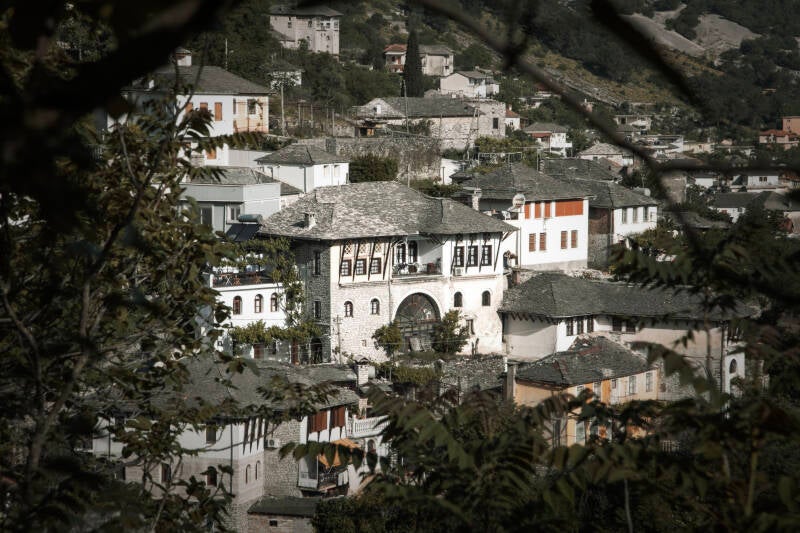
Gjirokastër的奧圖曼風建築,其中一間是獨裁者Enver Hoxha的故居
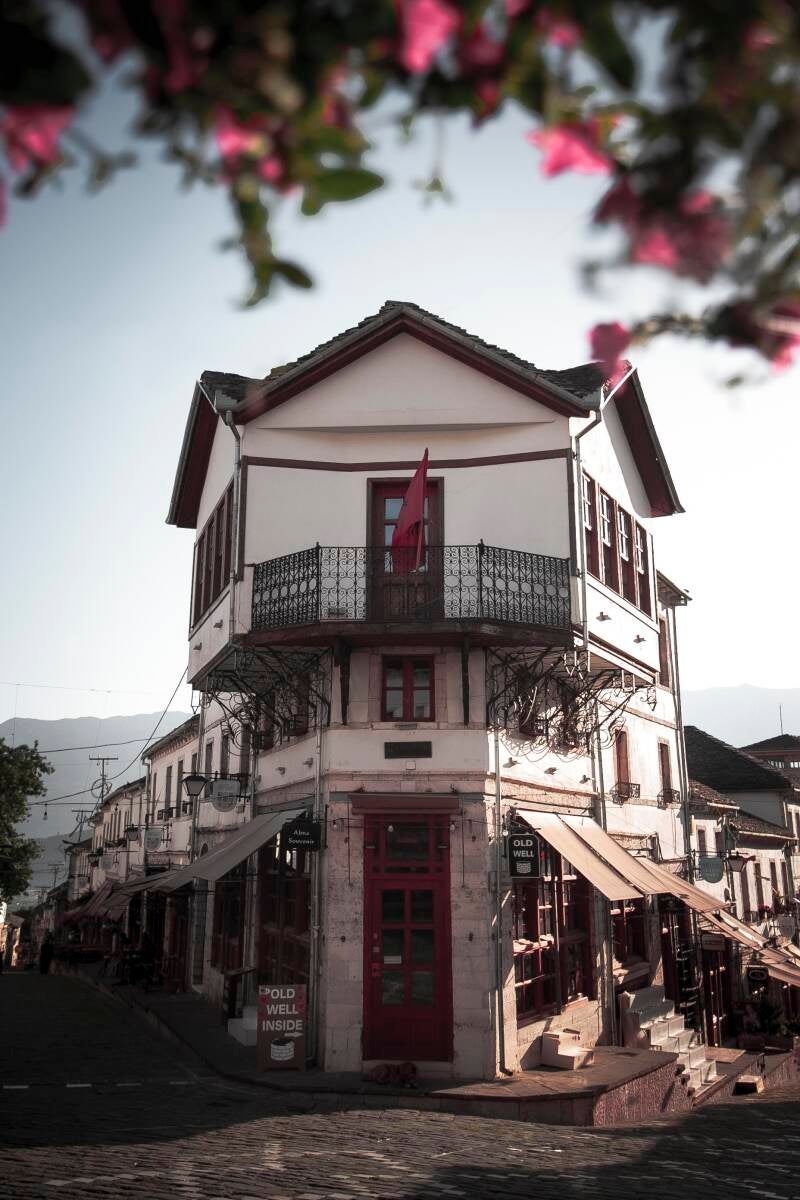
Ottoman styled houses in Gjirokastër, one of them was dictator Enver Hoxha's birthplace/childhood house
歷史
我曾經想過,香港中學的歷史科課題如果不夠,還差幾個topic,我會建議放入巴勒斯坦(Palestine)史、澳洲原住民(Indigenous Australia)史、倭瑪亞王朝(Umayyad Dynasty)、南斯拉夫(Yugoslavia)和阿爾巴尼亞史。他們都是很被overlooked但又「精彩」的歷史。阿爾巴尼亞的歷史又為何特別呢?
在我的認知範圍內,阿爾巴尼亞的歷史頗悠久。聖經新約的羅馬書(Book of Romans)其實是有(間接地)提及過「阿爾巴尼亞」的。例如,大概56AD左右,使徒保羅(Apostle Paul)在希臘的哥林多(Corinth)寫了一封書信給在羅馬的信徒-「羅馬書」。他在第15章19-24節表示他已經把福音傳過至「以利哩古(Illyria)」-現今阿爾巴尼亞的北部和大部分前南斯拉夫國家的範圍。
此外,阿爾巴尼亞經歷過不同王朝的統治,包括當最著名的羅馬帝國和鄂圖曼帝國。阿爾巴尼亞境內有不少羅馬的遺址和奧圖曼建築。當中,因奧圖曼四百多年的統治,因此,阿爾巴尼亞很多norms都帶有「土耳其」風味。例如飲食(咖啡、烤肉串、dolma、baklava)、音樂/樂器、清真寺的建築風等等,都令我感覺置身於土耳其。
History
If Hong Kong high schools' History class needed a few extra topics, I’d suggest adding the history of Palestine, Indigenous Australia, the Umayyad Dynasty, Yugoslavia, and Albania. These are all histories that tend to get overlooked but are actually really fascinating. So what makes Albania’s history special?
From what I know, Albania has a pretty long and rich history. In fact, it’s even (indirectly) mentioned in the New Testament of the Bible. Around 56 AD, Apostle Paul wrote a letter from Corinth in Greece to the believers in Rome - the Book of Romans. In chapter 15, verses 19 to 24, he talks about spreading the gospel as far as “Illyricum,” which covers northern Albania and much of what used to be Yugoslavia.
Over the centuries, Albania was ruled by different empires, including the famous Roman Empire and the Ottoman Empire. You can still see a lot of Roman ruins and Ottoman architecture there. Because of more than 400 years under Ottoman rule, many Albanian customs have an Ottoman influence. Things like the food, coffee, grilled meat skewers, dolma, baklava, the music and instruments, even the style of mosques all make you feel a bit like you’re in Türkiye.
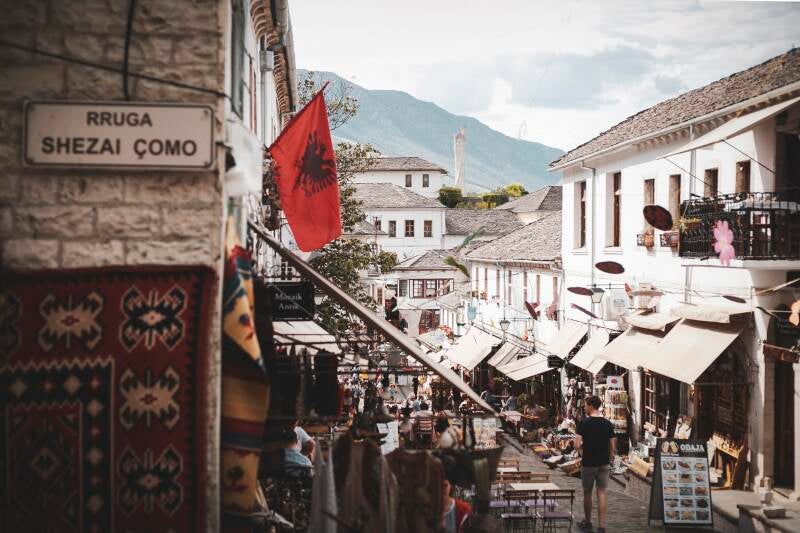
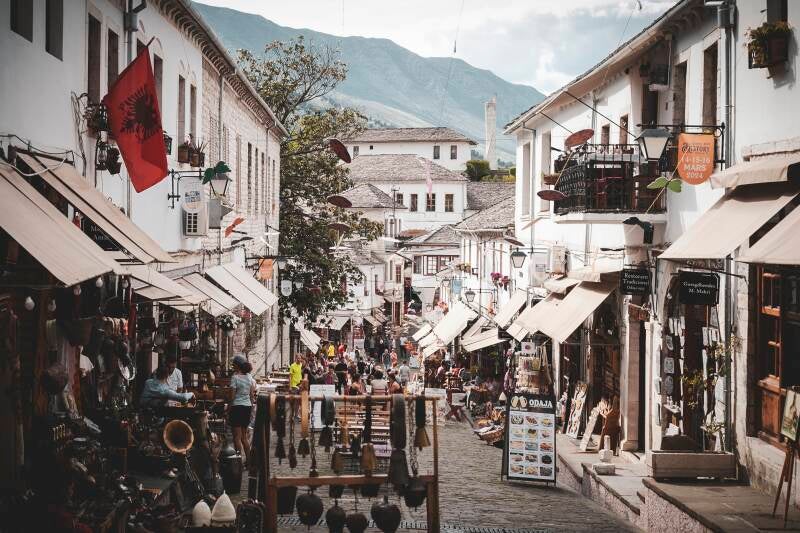
The picturesque and Ottoman Gjirokastër Bazaar
歷史上的阿爾巴尼亞不但經歷過外族的統治,近代還有封閉的共產政權。二戰後至1992年,共產獨裁者Enver Hoxha將阿爾巴尼亞變成「北韓」般封閉。無神論政策、禁止宗教活動、與外界斷絕外交、經濟與嚴格的社會管控(不可以戴太陽眼鏡)、秘密警察、勞改營以及對異議人士的壓制、以及我覺得最出名的「大龍鳳」-花費公帑建造70萬個混凝土碉堡(bunkers)。Enver Hoxha因為「擔心」有外敵入侵,不論是對岸的意大利,還是曾經投靠的蘇聯,他都擔心會打過來。所以他在整個阿爾巴尼亞不同地方建造70萬個bunker去「抵擋」。但事實是,他overthink了,在那個時勢根本沒有人想入侵阿爾巴尼亞,而且他建的bunkers大部分都沒有真正防禦的能力。我進過去幾個,我已經沒有軍備在身上,都覺得bunker小到不得了!所以我覺得建bunkers只不過是個向國民製造驚恐的藉口,亦是Enver Hoxha作為「領導人」但想東西又不夠周詳的失敗證據。
Albania’s history isn’t just about foreign rule—it also went through an extremely isolated communist regime in modern times. From the end of World War II until 1992, the communist dictator Enver Hoxha turned Albania into something like “North Korea in Europe.” There was enforced atheism, a ban on all religious activities, no diplomatic contact with the outside world, strict social control (you couldn’t even wear sunglasses), secret police, labor camps, suppression of dissent, and perhaps most famous and reckless construction of 700,000 bunkers across the country.
Hoxha was obsessed with the idea of foreign invasion, whether from nearby Italy or even the Soviet Union, which Albania had once aligned with. But in reality, I think he overthought it. Nobody was actually planning to invade during that current climate, and most of the bunkers weren’t even practical for defense. I went into a few, and I didn't carry any weapons or gears with me, I almost got stuck in it! To me, the bunkers were mostly a way to scare the population, and they also show how Hoxha wanted to lead but didn’t think things through very well.
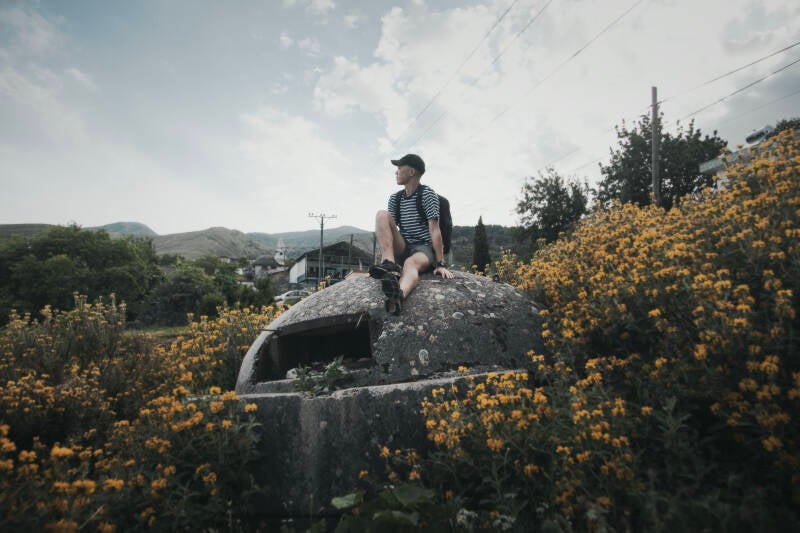
Gjirokastër路旁的一個bunker
A random bunker in Gjirokastër
令我最著迷阿爾巴尼亞歷史的無過不及於在首都Tirana,最中心的廣場Skanderbeg Square。這個廣場的一帶,可以說是一個歷史的大熔爐。廣場的名字和一個雕像是「General Skanderbeg」,他是帶領阿爾巴尼亞多次擊退奧圖曼的英雄。廣場亦有一個蘇聯風的opera house,象徵蘇聯曾經對共產阿爾巴尼亞的支持。在它的旁邊有一個400多年的清真寺(重建過),步行10分鐘之內亦可以看見天主教和東正教的教堂。
另外,廣場內的National Museum的門口上,亦有一幅極大的馬賽克壁畫,畫中是不同阿爾巴尼亞時代重要的人物。廣場的對面,有意大利風的政府部門建築物,因為阿爾巴尼亞曾經亦和意大利關係緊密,聘請意大利的設計師去建Tirana的重要建築物。在這些意大利風的房子後,有阿爾巴尼亞最大的bunker(已是個博物館),是個共產時期的遺物。
我去過40多個國家,卻從來沒有去過一個如此獨特的地方,站在一個地方,視覺上卻可以看見一地極度多樣的歷史和過去。超推介!
阿爾巴尼亞今天是一個「自由」社會,因為獨裁者沒了,其他的王朝也沒落了,而且阿爾巴尼亞成了一個共和國。作為一名外國人,我能拿著相機在地拉那的街頭拍照,這種感覺真是超現實。這裡曾是封閉的社會主義國家的心臟地帶-街道承載著控制,人們生活在圍牆之內,外國人幾乎無法踏足…… 而這一切,只是三十多年前的事。我在小巴上遇上的一位香港叔叔,他說他年輕時的背包行一次過去了東歐南歐所有國家,唯獨阿爾巴尼亞他不能進。幾十年後,他退休了,阿爾巴尼亞也終於對外開放,他終於可以把那個夢完了。
阿爾巴尼亞架構上和歐洲其他國家無大差別,但當這個「自由」僅僅成為一個空殼,而人民連選擇留下來生活都變成奢侈,好多人寧願冒險,花光所有積蓄,甚至冒著生命危險,只為逃離故鄉。
What fascinated me most about Albania’s history was the heart of its capital, Tirana, the Skanderbeg Square. The area around the square is like a gigantic melting pot of history. The square is named after General Skanderbeg, a national hero who led Albania in repelling the Ottomans multiple times. There’s also a Soviet-style opera house, a reminder of the USSR’s support for communist Albania. Right next to it is a mosque over 400 years old, and within a ten-minute walk you can also spot Catholic and Orthodox churches.
The National Museum at the square has a massive mosaic at its entrance, featuring important figures from different periods of Albanian history. Across from the square, there are Italian-style government buildings, reflecting Albania’s close ties with Italy during the post-WWI period and the Italian architects who were brought in to design key buildings in Tirana. Behind these buildings sits Albania’s largest bunker, now a museum, a relic from the People's Socialist Republic of Albania.
I’ve traveled to over 40 countries, but I’ve never been to a place quite like this. Standing in one spot, you can literally see such a deep mix of history and layers of the past. Highly recommended!
Today, Albania is a “free” society. The dictators are gone, the old monarchies have fallen, and Albania is now a republic. As a foreigner, walking around Tirana with a camera, snapping photos, it feels completely surreal. This used to be the heart of a closed-off socialist country, the streets carried the weight of control, people lived behind grey walls, and international visitors could barely set foot there. And this was only about thirty years ago... On a minibus, I met an uncle/traveler from Hong Kong. He told me that when he was young, he backpacked across all of Eastern and Southern Europe, but Albania was the one country he couldn’t enter. Decades later, after he had retired and Albania had finally opened up to the outside world, he was at last able to fulfil that dream.
Structurally, in my POV Albania's not that different from other European countries, but when “freedom” is mostly just a word/gimmick. Many people today are willing to take huge risks, spend all their savings, even put their lives on the line, just to leave Albania for good.
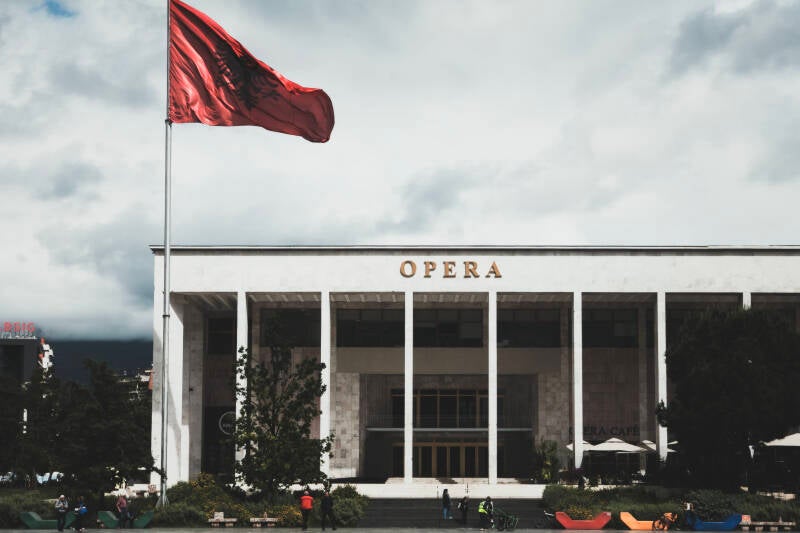
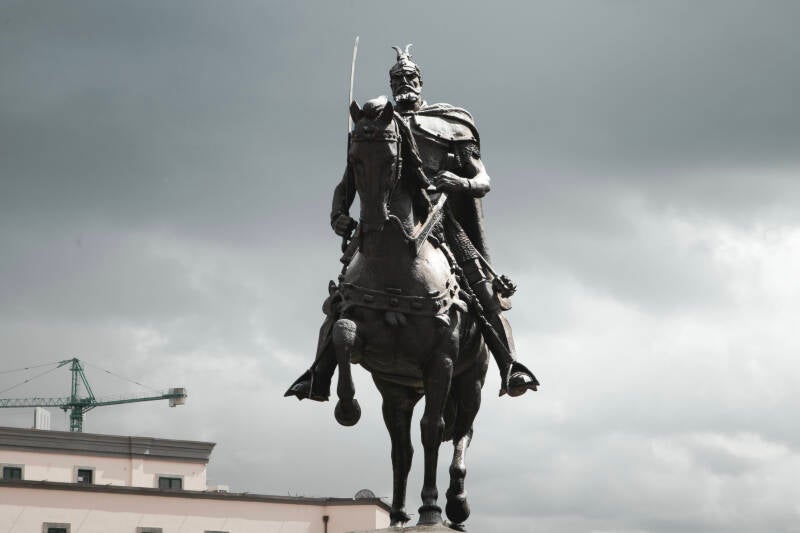

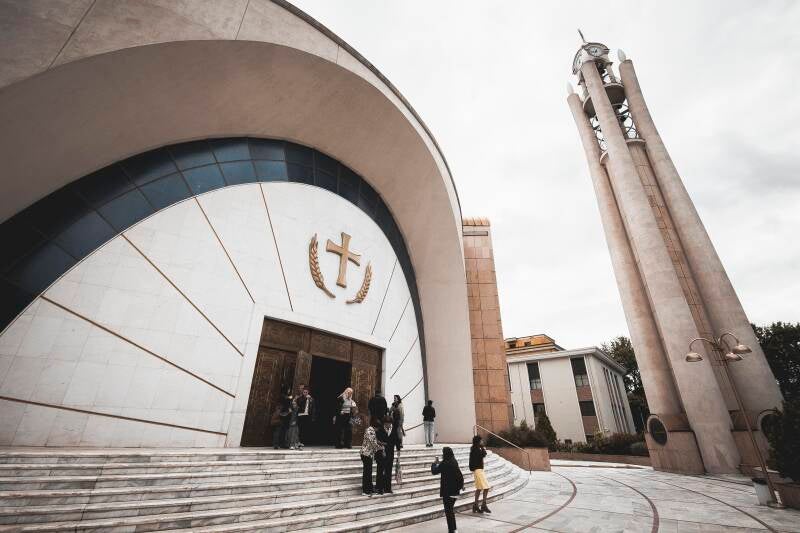


剛提及過在Skanderbeg廣場可以看到的建築物
The structures and buildings around the Skanderbeg Square mentioned earlier
語言
說起歷史,Shqip(「阿爾巴尼亞文」的阿爾巴尼亞文)是世上其中一個最獨特的語言。不要被的她理位置而騙,她雖被意大利、希臘、北馬其頓和黑山共和國包圍,但語言是絕對的獨立。阿爾巴尼亞語是不屬於任何語系,Romance / Greek / Slavic 都不是。雖然阿爾巴尼亞語是有「Balkan sprachbund(意思是巴爾幹語言互相的語法和生字借用)」的特徵,但阿爾巴尼亞語所屬的語系就是「阿爾巴尼亞語系」(她自己有兩個方言/dialect,南和北。不部的人說南部的人的口音很「姣」。南部的人說北部的口語太「莊嚴」)。另外,很多地理上相近的語言都有類似的發音或是字根,但阿爾巴尼亞語裡的「多謝」是「Faleminderit」,這詞絕對沒有和任何其他語言有相似之處。
看到這裡,可能你已經很lost,但長話短說,阿爾巴尼亞經歷過如此複雜的歷史,多次的被統治和殖民,其語言仍然屹立不倒,真的可算是個奇蹟!
Language and linguistics
Speaking of history, Shqip ("Albanian language" in Albanian) is one of the most unique languages in the world. Don’t be fooled by its geographic location, surrounded by Italy, Greece, North Macedonia, and Montenegro. Albanian is completely independent and distinct. It doesn’t belong to any major language family, it’s not Germanic, Celtic, Romance, Greek, or Slavic. It has features from the "Balkan Sprachbund" (shared grammar and borrowed words with neighboring languages in the Balkans) but Albanian is its own language family. It even has two main dialects, north and south. People say the southern accent sounds more “flirty” while the northern accent sounds more “serious.”
Many nearby languages share some sounds or roots, Albanian keeps its own unique vocabulary. For example, “thank you” is “Faleminderit,” which doesn’t resemble any other language at all.
You might be lost by now, but long story short, Albania has gone through such a complex history, ruled and colonised multiple times, yet its language has survived completely intact. To me, that is nothing short of a miracle!

Gjirokastër / Gjerë valley
後感
阿爾巴尼亞:值得一遊,不論是景觀、物價、文風、歷史都十分吸引到我。UNESCO sites 超多,但交通一般,但我就是喜歡這樣要自己「執生」且亂衝亂撞的冒險。
阿爾巴尼亞人:大部分有善,英文還算不錯。他們是勤力派、實力派,願意為尋求更美好生活而搏盡一切的人(我老闆工作七天全年無休,慳錢到要由英國自己開車到阿爾巴尼亞(單程2800km)探親的人)。他們亦顧家,就算成功移民到其他國家,仍然會送錢回家。他們亦散落全球,歐洲隨處可見,大多數在歐洲各國的意大利餐廳的廚師,都是拼盡命到意大利廚房打雜學煮飯,之後再到西歐和北歐做廚師。名字和姓氏太獨特,想不承認自己有阿爾巴尼亞血統都不行。
是次旅行:難忘、即興、開眼界、有山有海我喜歡、安全、想再去。
塞翁失馬,焉知非福:原本想練習意大利文,卻最後去了轉巴爾幹深度遊,這個plot twist太正了吧!
Thoughts
Albania: Totally worth visiting. The landscapes, the prices, the vibe, the history—they all really drew me in. Transport isn’t great, but honestly, I kind of like the whole “figure it out yourself” adventure and just wandering around a bit chaotically.
Albanians: Mostly very friendly, and a lot speak decent English. They’re hardworking and talented people, willing to risk everything for the better. My boss, for example, worked seven days a week all year, and would drive all the way from the UK to Albania an insanely tough 2,800 km one-way trip (to visit his family) to save money. They’re also very family-oriented, many would send money home even when they successfully left Albania. You’ll find Albanians all over Europe, often working in Italian restaurants. Most started out helping in kitchens and bars in Italy, learning to cook, and then moved on to become main chefs in Western and Northern Europe. Their names are so unique that they can’t really hide their Albanian roots even if theywanted to.
Trip: Unforgettable, spontaneous, eye-opening, full of mountains and sea, safe, and I just want to go back.
Plot twist: Initially I just wanted to practice Italian and get some cash, but I ended up on a deep dive into the Balkans. How cool was that?
我眼中的阿爾巴尼亞 | Albania through my eyes

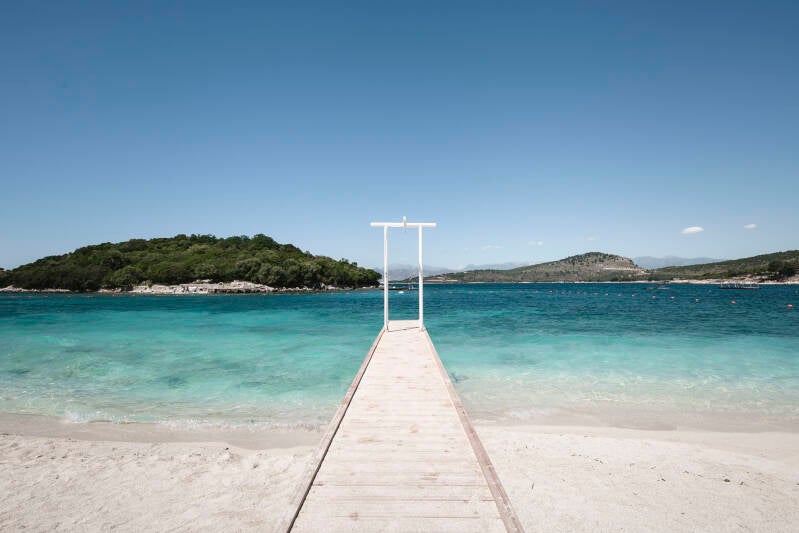

Ksamil



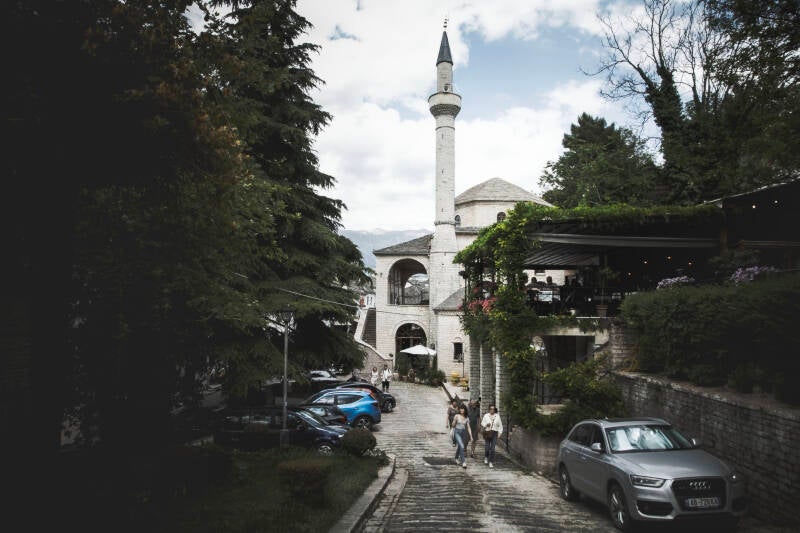
Gjirokastër
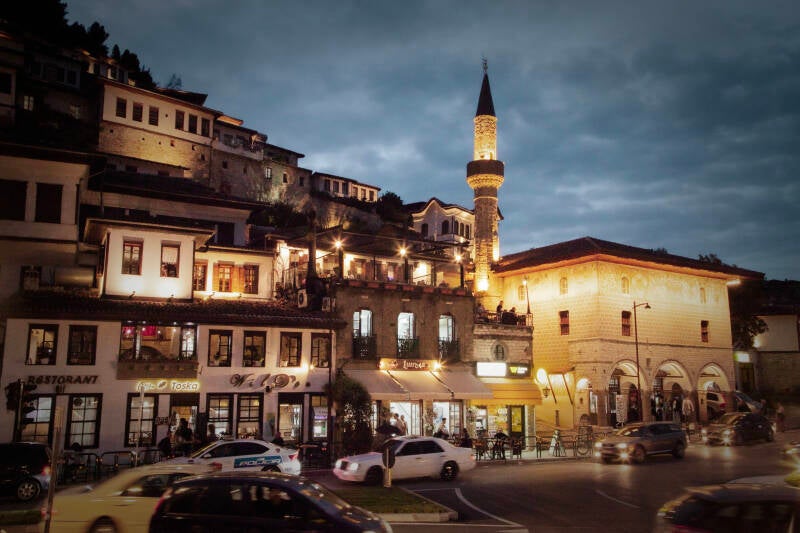


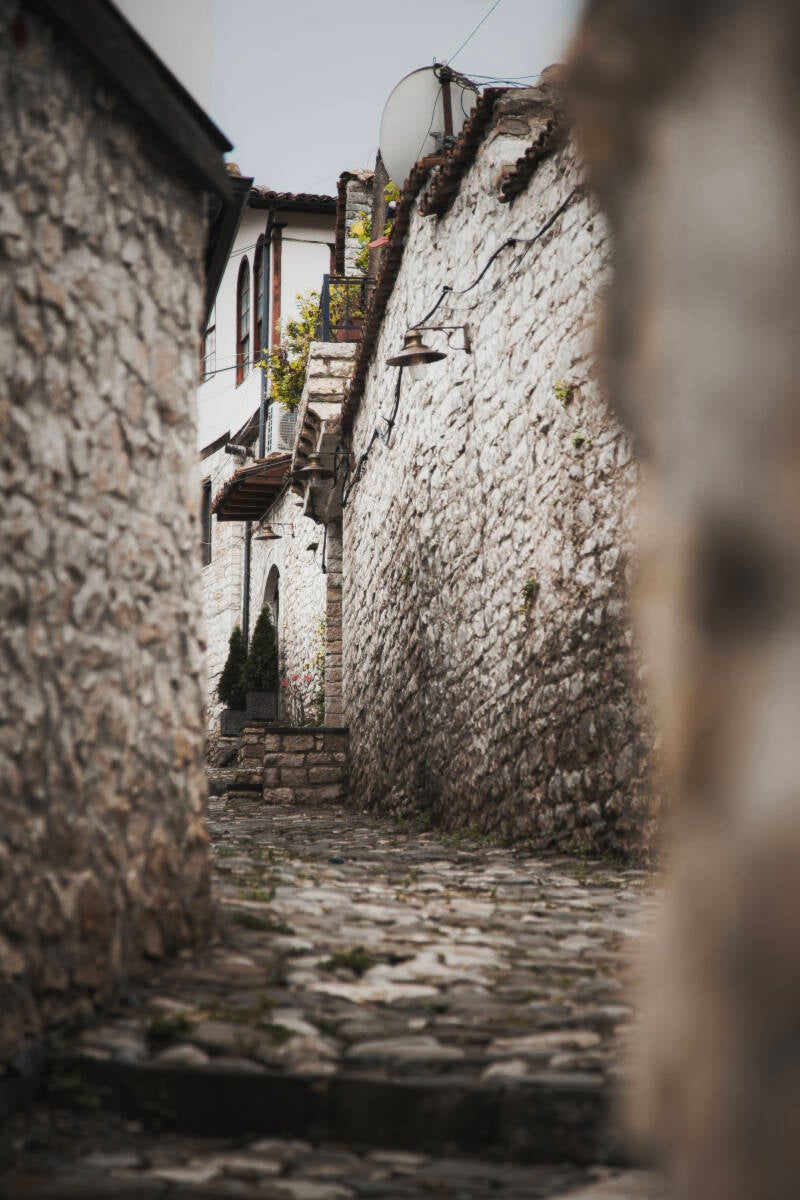
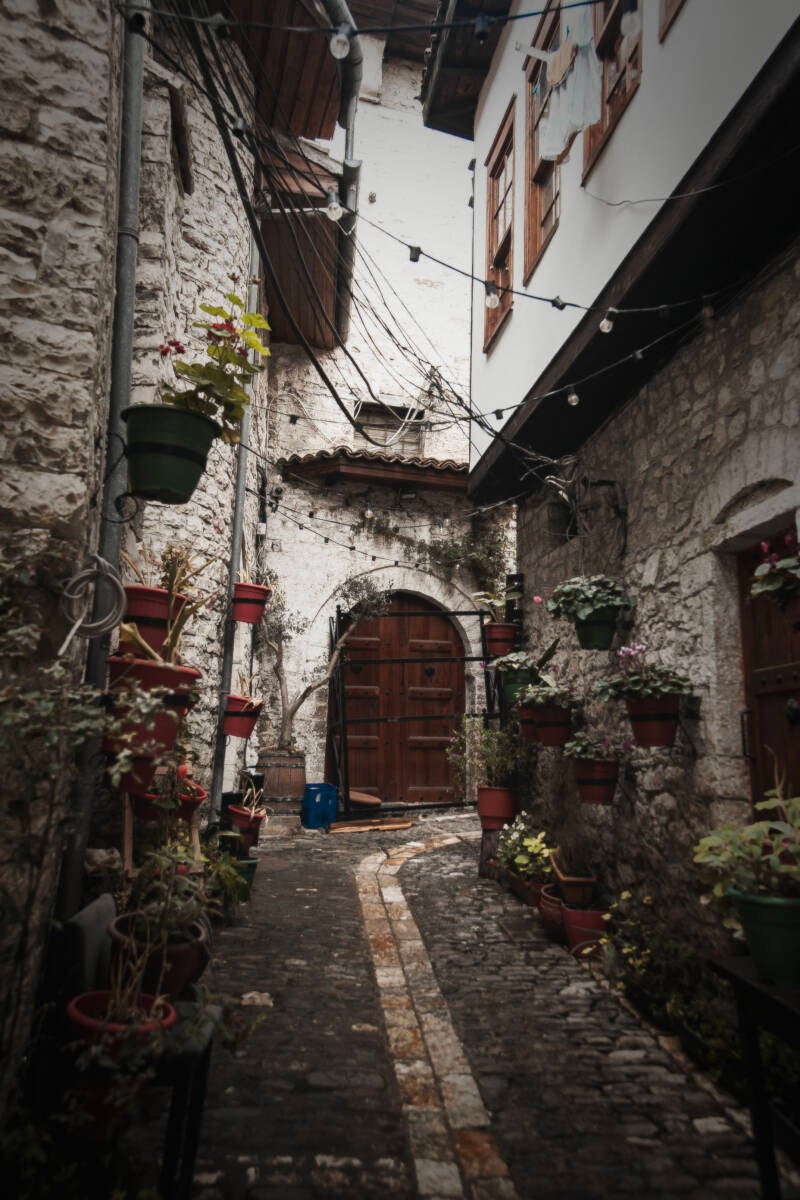
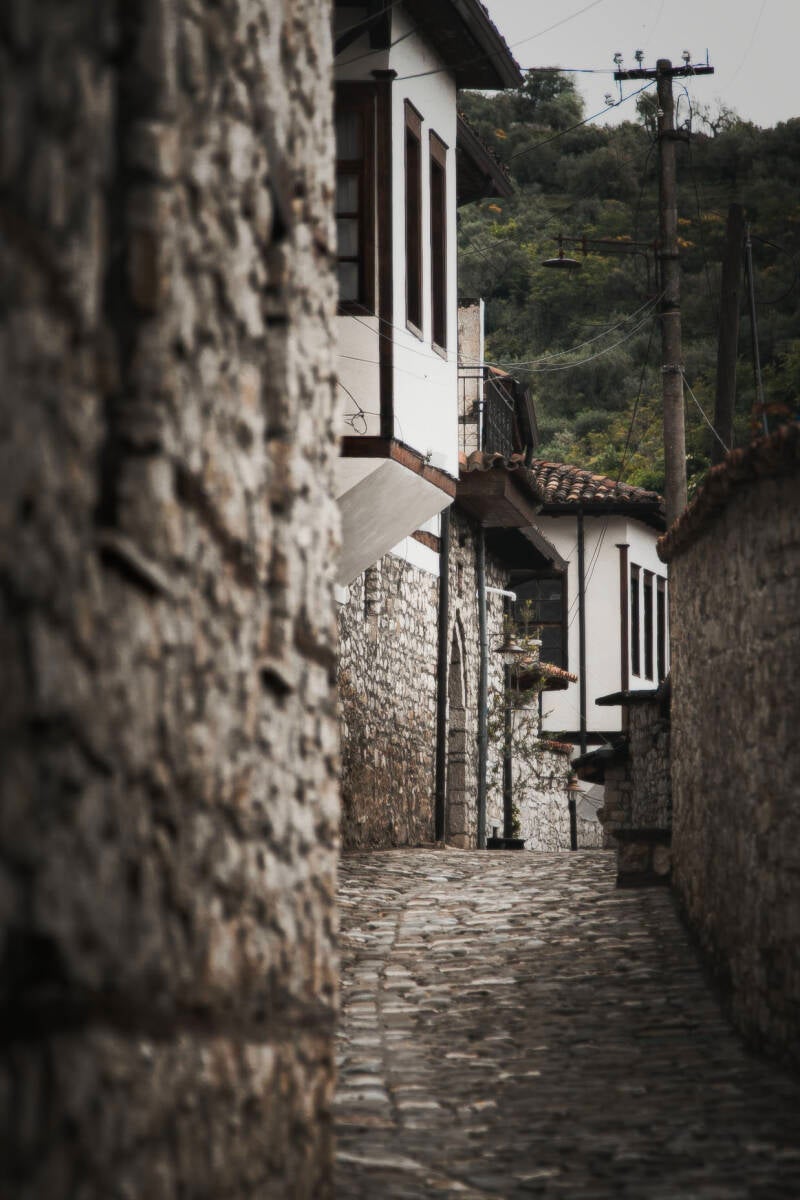
Berat
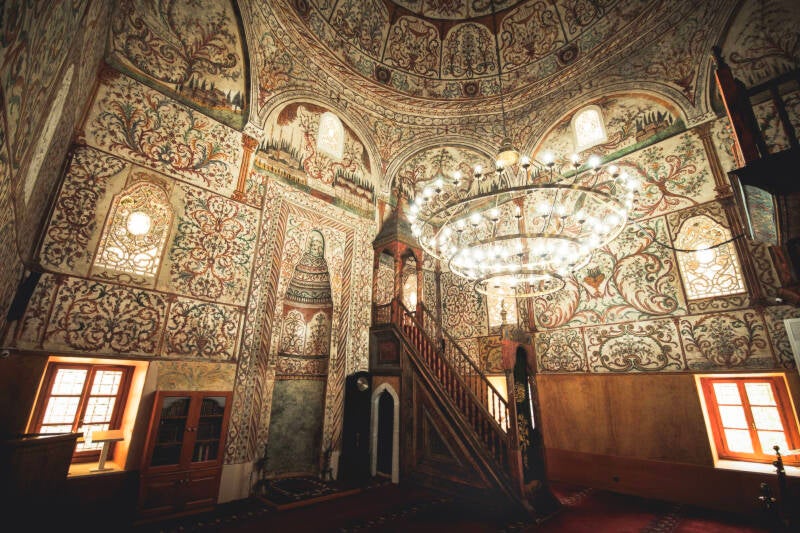
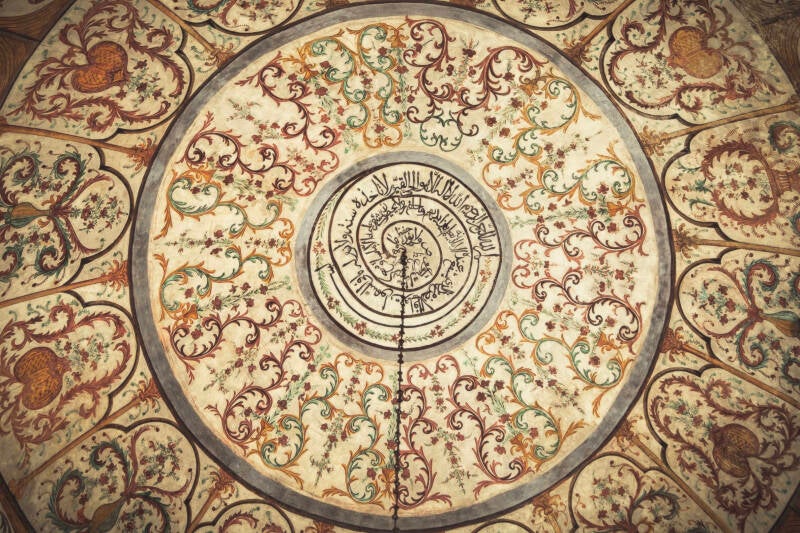
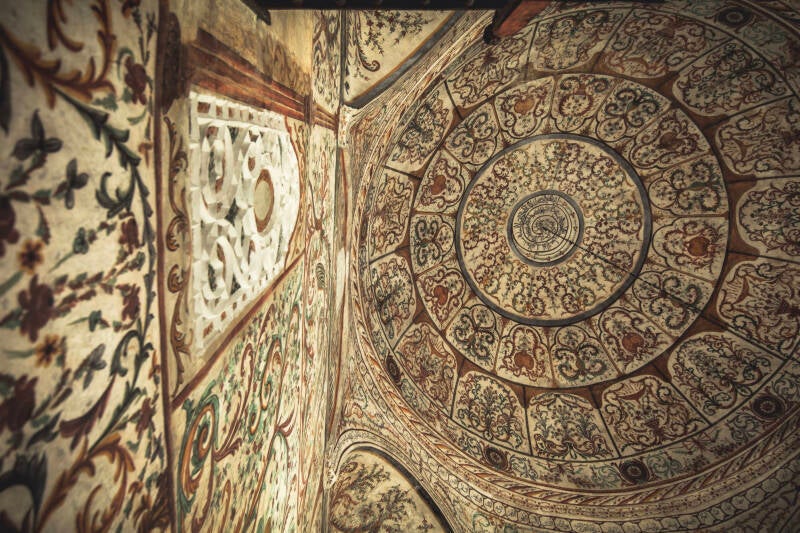


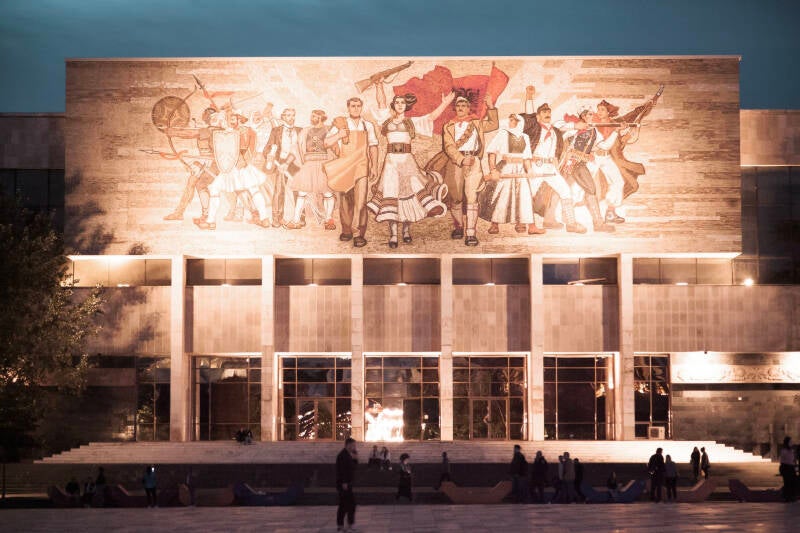


Tirana
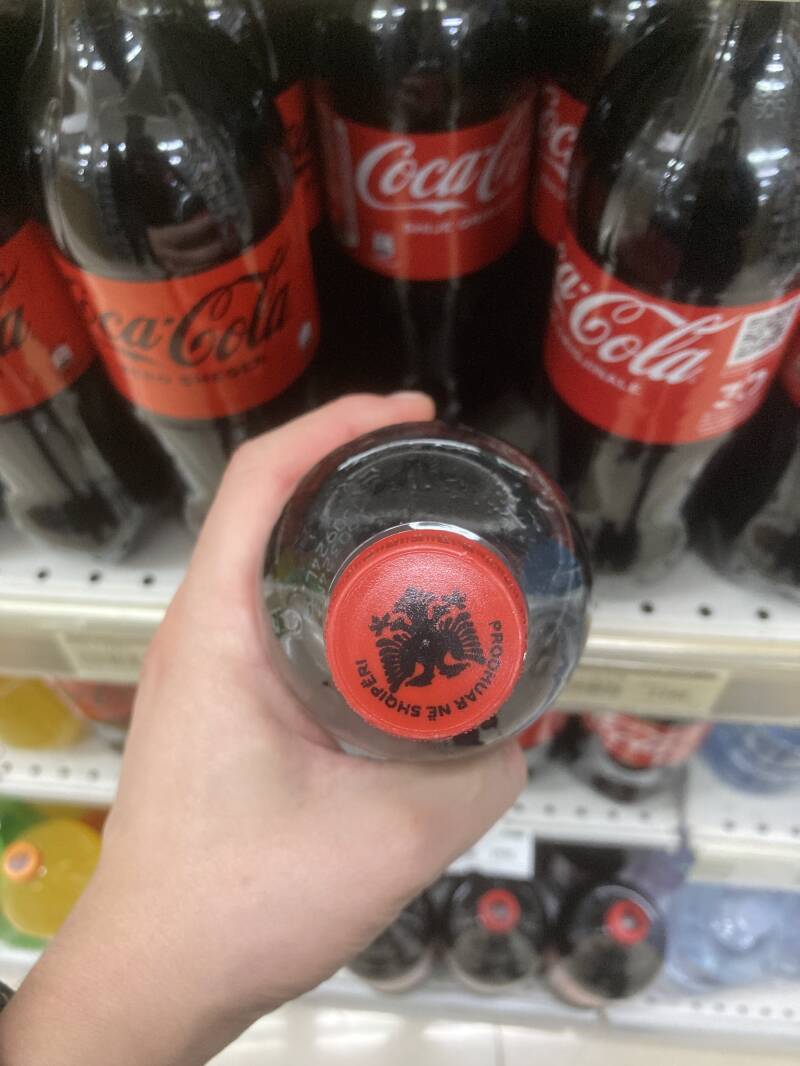
Shqiptaria-阿爾巴尼亞文的「阿爾巴尼亞」,意思是「鷹之地」。國旗上都有這個雙頭鷹
Shqiptaria—the Albanian word for “Albania”, it literally means “Land of the Eagles.” You can even see this double-headed eagle on the Albanian flag

阿爾巴尼亞美食-左邊是奧圖曼的遺產dolma,右邊我忘記名字,但很吃起來像希臘的Moussaka
Albanian food—on the left is dolma, probably inspired by the Ottomans, and on the right I can't remember its name, but it tastes a lot like the Greek moussaka

自豪的髮型師
Proud barber

臨別前Hostel老闆要跟我第一個香港客人合照。我隨即向他「曬/秀」我在英國打工時學幾句的阿爾巴尼亞語,和做起這個手勢。他O了嘴,高興又驚訝!這手勢代表阿爾巴尼亞國旗上的雙頭鷹,是個表現身份和自豪感的表現。阿爾巴尼亞人通常會在各種慶祝活動和運動賽事上集體做出。但這帶有政治性,在不適當的場合和人面前做可能會有嚴重的後果
Before I left, the hostel owner wanted to take a photo with me because I was his very first Hong Kong guest. I quickly “flexed off” a few Albanian phrases I had learned while working in the UK and made this hand gesture. His mouth dropped, was both happy and surprised! The gesture represents the double-headed eagle on the Albanian flag and is a symbol of Albanian identity and pride. Albanians often do that collectively during celebrations and sports events. But it can be controversial and politically awkward, so doing it in the wrong place or in front of the wrong people can bring serious consequences.

在Tirana竟然有香港人開的餐廳,餐廳牆上還有個維港,支持!
There's a Hong Kong restaurant run by a HKer in Tirana! The Victoria Harbour in the background of the dinning area!

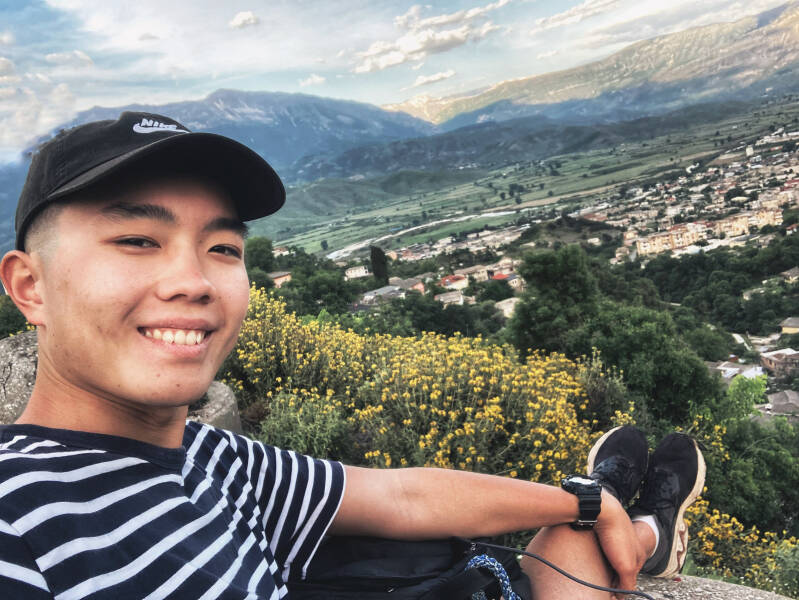
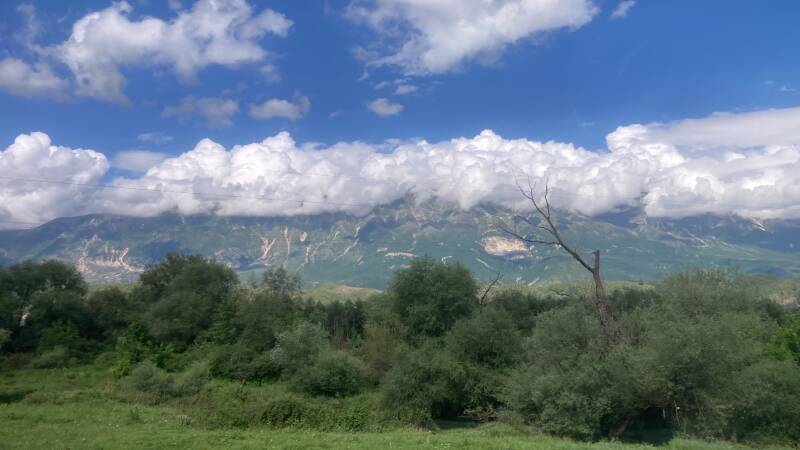
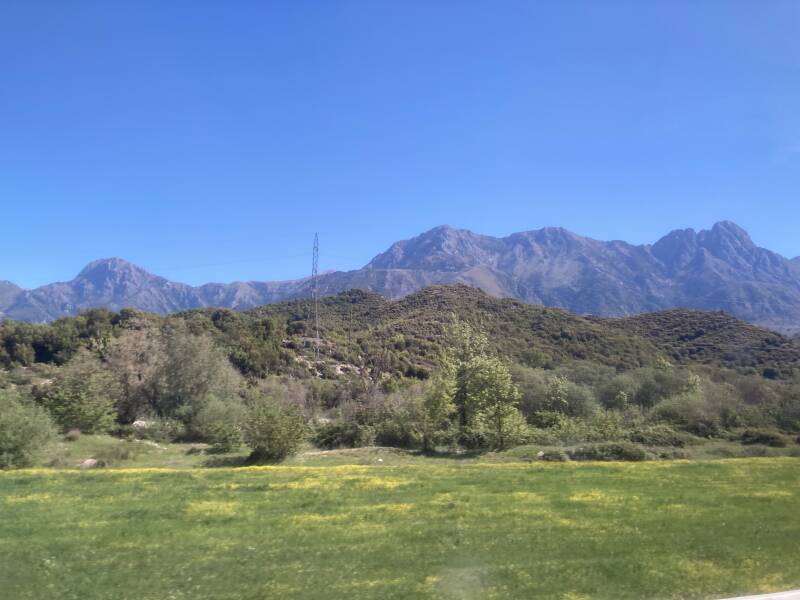
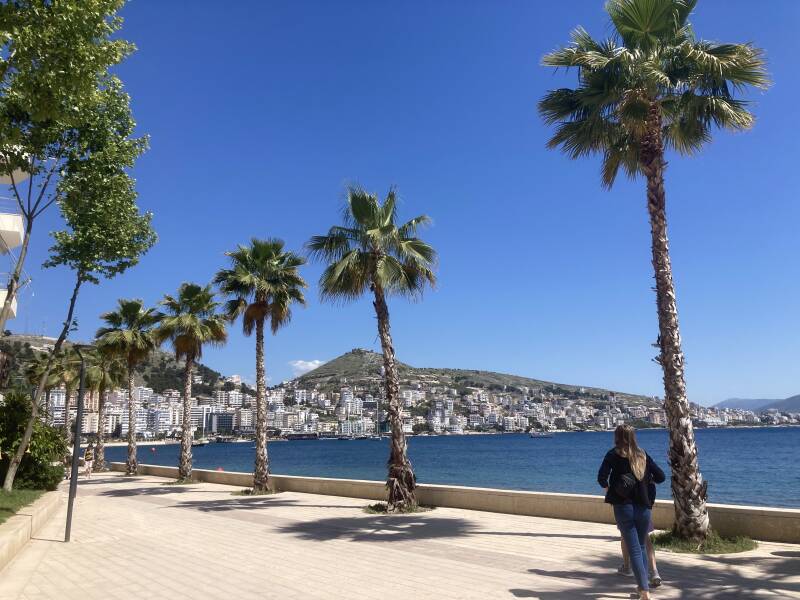
為何英國沒有這天氣
Why couldn't the UK have this weather
旅行後,我回到餐廳,和老闆和同事講述我的經歷,又把相片分享給他們看。他們都很高興,亦表示欣賞。我那刻覺得很奇妙,因為我彷彿更加了解他們,去過他們的故鄉,有嘗試過他們成長和家庭的背景。世界很大,自己很渺小,認識很有限,希望未來可以再認識更多來自不同國家的人,再去類似的「尋根」旅行!
After the trip, I went back to the restaurant and shared my experiences with my boss and colleagues, showing them the photos I had taken. They were all really happy and appreciated my travel motive. In that moment, I felt like I understood them a bit better, having visited their homeland and had a glimpse of their upbringing and family background. The world is so big, I know very little and I feel tiny, I hope in the future I can meet more people from different countries and go on more trips like this to “trace roots” of them.
Faleminderit shumë 🇦🇱
Create Your Own Website With Webador